
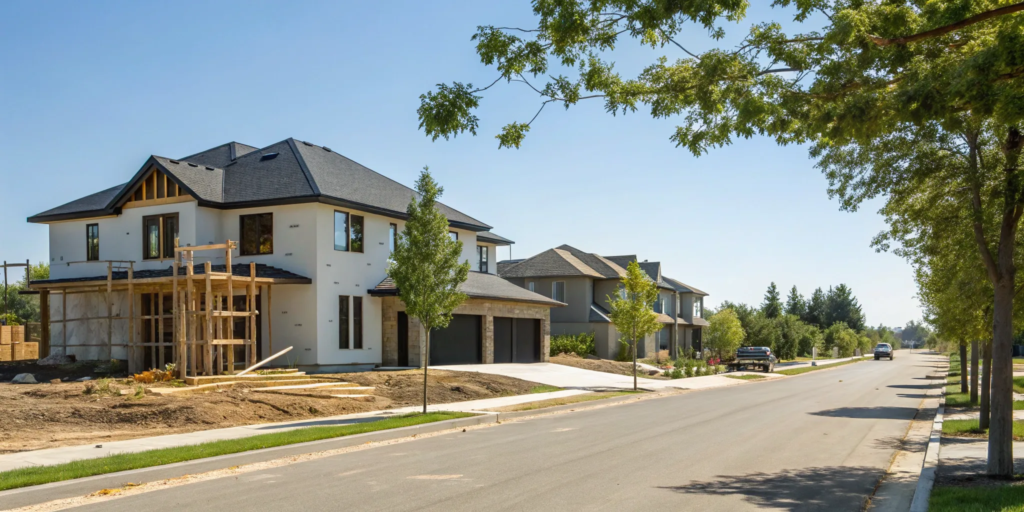
Choosing a home is about more than just square footage and the number of bedrooms; it’s about finding a place that fits your life. For some, that means the unique character and mature trees of an established neighborhood. For others, it’s the clean slate and modern amenities of a brand-new property. If you’re leaning toward the latter, it’s important to look beyond the glossy brochures and understand what the building process truly entails. From securing financing to navigating potential delays, it’s a unique journey. A thorough look at the pros and cons of new construction is the best way to determine if you’re ready for that journey and if the final reward is right for you.
Key Takeaways
- Embrace the Blank Canvas, But Plan for the Wait: A new build offers total design control and modern features, but this comes at a premium. Be prepared for a higher price tag and a flexible timeline to account for common construction delays.
- Negotiate Upgrades, Not the Price: Builders are unlikely to lower the base price of a home, but they often have flexibility elsewhere. Work with your agent to negotiate for better finishes, included appliances, or help with closing costs.
- Hire Your Own Inspector: Never skip an independent inspection, even on a new build. An inspector who works for you can spot issues the builder’s team might miss, saving you from future headaches and expenses.
What is a New Construction Home?
Ever dreamed of being the very first person to live in your home? That’s the reality with a new construction home. Simply put, these are newly built properties that have never been lived in. Think of it as a blank canvas—you’re the first to make memories within its walls. Beyond that fresh-paint smell, new builds come with some serious perks. They often feature modern, open-concept designs, are built with the latest energy-efficient materials (which can mean lower utility bills), and, best of all, offer you the chance to customize many of the details.
From flooring and countertops to paint colors and fixtures, you get to put your personal stamp on the space before you even move in. This level of personalization is a huge draw for buyers who want a home that truly reflects their style without needing to plan for immediate renovations. Of course, building a home from the ground up is a unique process with its own set of considerations. Understanding the different types of new builds and what to expect from the timeline is the first step in deciding if this path is right for you.
Explore the Types of New Builds
“New construction” isn’t a one-size-fits-all term. The type of home you can build depends on your lifestyle, budget, and desired location. You’ll find several types of new construction homes, including traditional single-family houses with their own yards, modern townhouses that offer a community feel, and convenient condominiums perfect for city living. Each style has its own appeal.
The level of personalization also varies. Some builders offer fully custom homes where you work with an architect to design a unique floor plan. Others provide a selection of pre-designed floor plans and let you choose the materials, finishes, and fixtures. This semi-custom approach gives you creative control without the stress of starting entirely from scratch.
What’s the Building Timeline?
Patience is a virtue when it comes to new construction. On average, the building timeline for new construction homes ranges from six to twelve months, but this can change based on several factors. The complexity of your home’s design, the builder’s schedule, the availability of materials, and even the weather can all impact how quickly your home is completed.
It’s also wise to build a little flexibility into your plans. Delays are a common part of the new construction process, whether due to supply chain issues or unexpected inspection results. Having a backup plan for your living situation can save you a lot of stress. Regular communication with your builder will help you stay informed and manage expectations from groundbreaking to final walkthrough.
The Pros of Buying a New Build
The idea of being the very first person to live in a home is a powerful draw. Beyond that new-home smell, new construction offers a unique set of advantages that you just can’t find in an existing property. From a blank canvas for your design dreams to the confidence that comes with modern building standards, buying a new build can be an incredibly rewarding experience. If you value personalization, efficiency, and peace of mind, a newly constructed home might be the perfect fit for you. Let’s look at some of the biggest benefits.
Your Home, Your Design
One of the most exciting parts of buying a new build is the ability to make it truly yours from the ground up. Instead of inheriting someone else’s design choices, you get to select the floor plan, materials, and finishes that perfectly match your style. From the kitchen countertops and cabinet colors to the flooring and light fixtures, you have a say in the details that turn a house into your home. This level of customization means you can skip the immediate renovations and move into a space that’s already tailored to your life. It’s a chance to create a home that reflects your personality without having to lift a sledgehammer.
Modern Efficiency and Smart Tech
New homes are built with today’s standards in mind, which means they are significantly more energy-efficient than older houses. Better insulation, modern windows, and high-efficiency HVAC systems all contribute to lower utility bills every month. Beyond saving you money, many builders now integrate smart home technology directly into their designs. Imagine controlling your lights, locks, and thermostat from your phone from day one. These modern conveniences aren’t just cool gadgets; they offer a level of comfort, security, and efficiency that’s hard to retrofit into an older home.
Peace of Mind with Builder Warranties
Buying a new construction home almost always comes with a builder’s warranty, which is a major advantage you won’t find with a resale property. These warranties act as a safety net, typically covering workmanship and materials for a year and major structural components for up to ten years. If your roof starts leaking or you discover a foundation issue, the builder is responsible for the repairs, not you. This home warranty protection saves you from the stress and expense of unexpected problems that can pop up in the first few years of homeownership, giving you valuable peace of mind as you settle in.
Built to the Latest Safety Standards
When you buy a new home, you can be confident that it meets the most current building codes and safety standards. Throughout the construction process, the home is inspected multiple times to ensure everything is up to par, from the electrical wiring to the structural integrity. Modern safety features, like hardwired smoke detectors and carbon monoxide alarms, are standard. This rigorous oversight means you’re moving into a home that was built from the start with your family’s safety as a top priority, offering a level of assurance that an older, uninspected home simply can’t match.
The Cons of Buying a New Build
That brand-new home smell is intoxicating, but it’s important to walk into a new construction deal with your eyes wide open. While the pros are compelling, new builds come with a unique set of challenges that differ from buying an existing home. Knowing what to expect can help you prepare for the road ahead and ensure you’re making the best decision for your future. Let’s talk through some of the potential downsides so you can feel fully confident in your choice.
Higher Costs and Potential Overruns
One of the first things you’ll notice is that new construction homes often come with a higher price tag. On average, a new build can cost about 20% more than a comparable existing home in the same area. You’re paying a premium for that “never-lived-in” status and modern features. Beyond the base price, the final cost can creep up. The beautiful model home you toured is likely filled with high-end upgrades not included in the initial quote. Choosing different cabinets, better flooring, or premium light fixtures will add to your bottom line. It’s also wise to budget for unexpected expenses like construction loan fees or landscaping, which may not be included.
The Possibility of Delays
Patience is a virtue, especially when you’re building a home. While builders provide an estimated completion date, delays are incredibly common. Issues with weather, supply chain disruptions for materials, or labor shortages can easily push your move-in date back by weeks or even months. While the average build time is around seven to eight months, it’s not unheard of for it to take longer. This uncertainty can be stressful, especially if you’re trying to coordinate selling your current home or ending a lease. Having a flexible living situation and a contingency plan is key to managing the waiting game without pulling your hair out.
Less Established Neighborhoods
New homes are often built in developing areas, which can mean you’re farther from the city center and established amenities. This could translate to a longer commute and more time in the car. These new neighborhoods also need time to mature. You might miss the charm of large, shady trees, and it can take a while for a true sense of community to form among new neighbors. While amenities like pools and parks are often planned, they might not be completed when you first move in. When you explore different communities, consider if you prefer the blank slate of a new development or the rooted feeling of an older neighborhood.
Concerns About Workmanship
It’s easy to assume that “new” means “perfect,” but that’s not always the case. A new home is built by many different subcontractors, and sometimes, mistakes happen or details get overlooked. Even with city inspections, issues can slip through the cracks. That’s why it’s so important to hire your own third-party home inspector. For a few hundred dollars, an independent inspector who works for you—not the builder—can identify potential problems with the foundation, plumbing, or electrical systems before you close. Think of it as an inexpensive insurance policy that gives you peace of mind and allows you to have the builder fix any issues before they become your responsibility.
New Build vs. Existing Home: A Comparison
Deciding between a brand-new home and one with a bit of history comes down to your priorities. Both paths can lead you to a place you love, but they offer very different experiences when it comes to cost, upkeep, and your move-in date. Let’s break down how they stack up side-by-side so you can figure out which option is the right fit for your life right now.
Investment and Resale Value
On paper, a new construction home often comes with a higher price tag—typically about 20% more than a comparable existing home. Think of it as paying a premium for that “new car smell.” However, that initial investment can pay off. New homes tend to hold their value well, and if you buy into a developing area early, your home’s value could see a significant jump once the entire community is complete. An existing home might offer a lower entry price and the potential to build equity through renovations, but you’re also buying its history, which could include outdated systems or design choices that might not appeal to future buyers.
Maintenance and Long-Term Costs
This is where new builds really shine. With a new home, everything from the roof to the appliances is fresh out of the box, so you likely won’t face a major repair bill for years. Plus, new homes come with builder warranties that cover big-ticket items, giving you peace of mind. An existing home, on the other hand, comes with a history of wear and tear. Even with a thorough inspection, you might find yourself replacing the water heater or patching the roof sooner than you’d like. While you can buy a home warranty for an older home, it often doesn’t offer the same comprehensive coverage as a builder’s warranty.
Comparing Move-In Timelines
If you need to move quickly, an existing home is almost always the faster option. Once your offer is accepted, you can typically close and get the keys in 30 to 60 days. Building a new home is a marathon, not a sprint. The process usually takes around seven to eight months, and that’s if everything goes according to plan. Delays due to weather, supply chain issues, or labor shortages are common in new construction. As a buyer, it’s crucial to have a flexible timeline and a backup housing plan just in case your move-in date gets pushed back.
What to Expect When You’re Building
The journey of building a new home is exciting, but it’s a different path than buying an existing property. From the moment you sign the contract to the day you get your keys, you’ll be involved in a process with its own unique milestones and challenges. Think of it less like a transaction and more like a project you’re managing alongside your builder. You’ll need to line up your financing, maintain open lines of communication, conduct your own quality checks, and understand where you have room to negotiate.
Having a clear picture of what’s ahead can make all the difference. You’ll be making decisions about everything from loan types to light fixtures, and it helps to know when those decisions need to be made. Staying organized and proactive is key. This means knowing who to call with questions, when to schedule site visits, and how to address any concerns that pop up along the way. An experienced real estate agent can be your most valuable asset during this time, acting as your advocate and guide to ensure your interests are represented at every stage. With the right preparation and support, you can confidently manage the construction process and turn your vision into a reality.
Securing Your Financing
Before the foundation is even poured, you’ll need to have your finances in order. This usually means getting pre-approved for a construction loan or a mortgage specifically for a new build. Many builders have a preferred lender and may offer financing incentives, like covering a portion of your closing costs or offering a lower interest rate if you use their partner. While this can be a great deal, it’s always smart to shop around and compare offers from other lenders to ensure you’re getting the best possible terms. An agent can help you weigh the pros and cons and connect you with trusted local lenders who understand the new construction process.
Staying in the Loop with Your Builder
Clear and consistent communication with your builder is essential for a smooth process. From the start, establish a regular schedule for updates, whether it’s a weekly email or a bi-weekly phone call. Don’t hesitate to ask questions or request clarification on any part of the build. It’s also a good idea to document important conversations and decisions in writing to avoid misunderstandings later. Remember that you are a key partner in this project. Being proactive and staying informed helps keep the build on track and ensures the final product matches your expectations. Your agent can also act as a liaison, helping you navigate new construction contracts and communicate effectively with the building team.
Inspections and Quality Checks
Even though your home is brand new, it’s still crucial to have it inspected by an independent professional. A builder’s internal quality control is one thing, but a third-party inspector works for you. They can spot issues that might otherwise go unnoticed. It’s wise to schedule a few key inspections, such as a pre-drywall inspection to check the home’s framing and systems, and a final inspection before closing. A thorough third-party home inspector typically costs a few hundred dollars, but their expertise can save you from much larger expenses and headaches down the road by catching potential problems early.
Understanding Your Negotiation Power
When buying a new construction home, negotiation looks a bit different. Builders are often reluctant to lower the base price of a home because it can affect the value of future sales in the community. However, that doesn’t mean there’s no room to negotiate. Your best opportunities are often with upgrades and closing costs. You might be able to get the builder to include higher-end appliances, better flooring, or cover a portion of your closing fees. This is where having an experienced real estate agent who specializes in new builds is a huge advantage. They know what builders are typically willing to concede and can negotiate on your behalf to get you the best possible deal.
Choosing the Right Location
The old real estate mantra—”location, location, location”—is just as true for new builds as it is for existing homes. Where your new home is situated impacts everything from your daily commute to your weekend plans and even your long-term finances. While a brand-new house is exciting, the neighborhood it’s in will define your lifestyle for years to come. Before you fall in love with a floor plan, it’s crucial to think through the community, its future, and the hidden costs that come with a new address.
New vs. Established Neighborhoods
One of the biggest trade-offs with new construction is often location. These homes are typically built on the outskirts of town where land is more available, which can mean a longer commute. While you gain a new house, you might lose some of the unique character found in older, more established neighborhoods. Many new developments feature similar home designs, creating a uniform look that some buyers love and others find a bit cookie-cutter. It’s worth driving through both new and older communities to see which vibe feels more like home to you.
What’s Coming to the Community?
When you buy in a new development, you’re not just buying a house; you’re investing in a future community. Builders often plan these areas to deliver comprehensive lifestyle options, with amenities like pools, parks, and walking trails that foster a strong sense of connection among neighbors. It’s a good idea to ask the builder about the master plan. Are there plans for new schools, shopping centers, or restaurants? This future development can significantly add to your quality of life and your home’s long-term value.
Property Taxes and HOA Fees
The sticker price of a new build isn’t the whole financial picture. New neighborhoods often have higher property taxes to help fund the construction of new roads, schools, and public services. On top of that, most new developments have a Homeowners Association (HOA). While an HOA helps maintain the neighborhood’s appearance and amenities, it also comes with a monthly or annual fee. Be sure to factor both of these recurring costs into your budget to get a true sense of what you can afford.
How to Work Effectively with Your Builder
Building a new home is a partnership between you and your builder. Like any good relationship, it thrives on clear communication, mutual respect, and a shared understanding of the end goal. A positive working relationship can make the entire process smoother and more enjoyable, helping you turn your vision into a reality with fewer headaches. The key is to be proactive, informed, and prepared from the very beginning. By establishing a solid foundation with your builder, you set the stage for a successful project and a home you’ll love for years to come.
Research the Builder’s Reputation
Before you sign any contracts, it’s crucial to do your homework on the builder. Think of it as interviewing someone for a very important job—because it is! Start by looking into their track record. Have they completed projects in communities you’re interested in? What do past clients have to say about their experience? Look for online reviews, testimonials, and even drive through their completed neighborhoods to see the quality of their work firsthand. A builder with a strong reputation for quality construction and excellent customer service is more likely to deliver a home that meets your expectations and stands the test of time.
Understand the Contract and Warranties
The paperwork involved in a new build can feel overwhelming, but it’s one of the most important parts of the process. Your contract outlines everything from the final price and construction timeline to the specific materials being used. Read it carefully. New construction homes typically come with warranties that cover major structural issues for several years and smaller finishing details for about a year. Make sure you understand what’s covered and for how long. Don’t be afraid to ask questions or push for better terms. Having an experienced real estate agent on your side can be invaluable for reviewing these documents and ensuring your interests are protected.
Set Realistic Expectations
While it’s exciting to imagine your move-in day, it’s important to prepare for the realities of the construction process. Delays are common. Weather, supply chain issues, and labor shortages can all push back your timeline. Buyers often feel stressed and anxious during the build, so it helps to go in with a flexible mindset. Build a buffer into your schedule and budget for unexpected hurdles. Maintain open and regular communication with your builder to stay updated on progress and potential setbacks. Being mentally prepared for the ups and downs will make the journey to getting your keys much less stressful.
Top Features Buyers Want in a New Home
When you’re looking for a new home, it’s easy to focus on the big picture, like the number of bedrooms or the location. But the details are what truly make a house feel like home. Today’s buyers have a clear vision for what those details should be, and builders are listening. From integrated tech to flexible living spaces, new builds are designed for a modern lifestyle. Understanding these popular features can help you focus your property search and find a home that’s a perfect fit.
Must-Have Amenities and Tech
New construction buyers are increasingly interested in smart home features that offer control over lighting, locks, heating, and other systems. These technologies enhance convenience and improve energy efficiency, making them a top priority. Imagine adjusting your thermostat from your phone or checking who’s at the door while you’re at work. These aren’t futuristic dreams anymore; they’re common features in new builds. This integrated tech provides a layer of security and control that older homes often can’t match without significant, costly upgrades.
Smart Floor Plans and Storage
The way we live has changed, and home design is changing with it. Buyers are looking for functional floor plans that maximize space and cater to modern families. Gone are the days of stuffy, formal living rooms. Instead, open-concept layouts that connect the kitchen, dining, and living areas are in high demand, creating a central hub for family life. Practical spaces like a dedicated home office, a mudroom, and clever garage storage solutions are no longer luxuries but necessities. Every square foot should serve a purpose, promoting comfort and practicality for all types of buyers.
Outdoor Spaces and Green Features
A great home isn’t just about the inside. New construction developments often deliver comprehensive lifestyle options, including expanded outdoor living spaces. Covered patios and functional backyards are now seen as essential extensions of the home—places to relax, entertain, and connect with family. Alongside beautiful outdoor areas, buyers are prioritizing green features that go beyond basic energy efficiency. Think high-performance windows, superior insulation, and water-saving fixtures. These elements reduce your environmental footprint and lead to lower utility bills, making your home a smarter investment. Many new communities are designed with these sustainable principles in mind.
Busting New Construction Myths
The idea of moving into a pristine, never-lived-in home is incredibly appealing. Everything is new, from the foundation to the fixtures, and you get to be the very first person to make it your own. While this dream is a big part of the draw, it’s also surrounded by a few common myths that can set unrealistic expectations. Going into the process with a clear understanding of the realities will help you make the best decision for your family and your finances. Let’s clear up some of the biggest misconceptions about buying a new build so you can feel confident and prepared for the journey ahead. Knowing what to expect is the first step toward a smooth and successful home-building experience.
The “Maintenance-Free” Myth
One of the most persistent myths is that a new home is a maintenance-free home. While it’s true you won’t be facing an immediate roof replacement or HVAC overhaul, no home is entirely without upkeep. New homes settle, appliances have maintenance schedules, and landscaping needs attention from day one. Think of it less as avoiding repairs and more as starting with a clean slate for preventative care. You’ll still need to clean gutters, service your heating and cooling systems, and keep an eye on caulking and paint. Staying on top of this routine home upkeep is key to preserving your home’s value and condition.
Assumptions About Quality and Timelines
It’s easy to assume a new construction project will wrap up exactly on schedule, but delays are more common than you might think. Weather, supply chain issues, and labor shortages can all push back your closing date. It’s smart to have a flexible timeline and a contingency plan in case your move-in day gets postponed. Similarly, “new” doesn’t automatically mean “perfect.” The quality of workmanship can vary, which is why independent inspections at key stages of construction are so important. Don’t rely solely on the builder’s team; having your own expert advocate for you ensures that any issues are caught and corrected early.
Misconceptions About Cost and Value
Many buyers believe a new build is a superior investment, but it’s important to look at the whole financial picture. New construction homes often come with a premium price tag, sometimes costing up to 20% more than comparable existing homes. This is due to the high cost of land, labor, and modern materials. While you get the benefit of energy efficiency and modern features, the higher price per square foot can impact your budget. It’s not just about the initial cost, but about the overall value you receive. Carefully weigh the modern amenities against the higher investment to decide if it aligns with your financial goals.
Is a New Build Right for You?
Deciding between a brand-new home and an existing one is one of the biggest choices you’ll make in your home-buying journey. There’s no single right answer—it all comes down to what you value most. Are you dreaming of a move-in-ready space where you can pick every finish, or do you fall for the charm and character of a home with a history? It’s a classic head-versus-heart debate: the modern efficiency and warranties of a new build versus the mature trees and established community of an older neighborhood.
This decision impacts everything from your budget and timeline to your lifestyle. A new construction home offers a blank canvas, built with the latest materials and energy standards, making up about a third of homes for sale. An existing home provides a sense of place and unique architectural details you can’t always replicate. To find the best path forward, you need to weigh the practical benefits against the intangible qualities that make a house feel like home. We’ll walk through the key factors to help you figure out which option aligns with your personal and financial goals. Working with an experienced real estate agent can also provide clarity as you explore both possibilities in the market and understand the nuances of each type of purchase.
When to Choose a New Build
A new build might be your perfect match if you prioritize customization and predictability. You get to be the first person to live in the home, and you often have a say in everything from the floor plan to the cabinet hardware. This means no inherited design choices you have to live with or immediately renovate. Plus, new homes are built to current energy codes, which translates to lower utility bills. You also get the security of builder warranties, which cover major systems and structural elements for a set period. This peace of mind can be invaluable, especially for first-time buyers who are wary of unexpected, costly repairs popping up right after they move in.
When an Existing Home is a Better Fit
If you’re drawn to unique character and a strong sense of community, an existing home is likely a better fit. These homes are often located in established neighborhoods with mature landscaping, walkable streets, and a history you can feel. You won’t find cookie-cutter designs here; instead, you’ll discover unique architectural details and craftsmanship from a different era. While they might need some updates, existing homes often come with a lower initial price tag than their brand-new counterparts. This can free up your budget for personalized renovations. You can start your search for a home with character in the neighborhoods you love to see what’s available.
Questions to Ask Yourself Before You Decide
To make the best choice, take some time for honest self-reflection. Start by asking yourself about your priorities. How important is a move-in-ready home versus one you can put your own stamp on over time? What’s your true budget, factoring in potential upgrades for a new build or renovations for an older home? Consider your timeline, too—can you handle potential construction delays, or do you need to move by a firm date? Finally, think about your tolerance for surprises. No matter which you choose, always get a thorough home inspection. Even new builds can have issues, so it’s a non-negotiable step. Thinking through these questions will bring you much closer to your answer.
Related Articles
- Buying a New Construction Home Process Explained
- 9 Expert New Construction Home Buying Tips
- New Construction Homes Under 300k: A Buyer’s Guide
Frequently Asked Questions
Do I really need my own real estate agent if the builder has a sales agent on-site? Yes, it’s a great idea to have your own agent. The builder’s friendly sales representative works for the builder, and their primary goal is to protect the builder’s interests. Your agent is your personal advocate. They work for you, helping you negotiate on things like upgrades and closing costs, review the complex contracts, and troubleshoot any issues that come up during construction. Think of them as your expert guide, ensuring your interests are represented every step of the way.
Is the model home a realistic representation of what I’ll get for the base price? The model home is the builder’s showroom, designed to showcase the best of what’s possible. It’s almost always filled with high-end upgrades, from premium flooring and countertops to deluxe lighting fixtures. The home you get for the base price will include the standard finishes. Before you sign anything, ask for a detailed list of what’s considered standard versus what’s an upgrade so you can have a clear picture of the final cost and appearance of your home.
How much extra should I budget for upgrades and unexpected costs? While it varies by builder and your personal taste, a safe approach is to budget an additional 10% to 20% of the home’s base price for upgrades. It’s easy to get excited in the design center, so it helps to go in with a clear list of priorities. Focus your upgrade budget on structural items or features that are difficult and expensive to change later, like kitchen layouts, extra windows, or electrical placements. Things like paint or light fixtures are much easier to update yourself down the road.
What happens if I find a problem with the house after I’ve already moved in? This is exactly what the builder’s warranty is for. After you move in, you’ll typically have a chance to submit a list of cosmetic fixes within a specific timeframe. For larger issues related to workmanship, materials, or major systems like plumbing and electrical, your warranty provides coverage for at least a year. Be sure to document any problems in writing and submit them to the builder according to the warranty’s instructions to get them resolved.
Can I visit the construction site to check on my home’s progress? Most builders welcome scheduled visits, but you generally can’t just drop by whenever you like. An active construction site has safety regulations and insurance liabilities, so builders require you to be accompanied by the site supervisor or another representative. The best approach is to establish a communication plan with your builder from the start and schedule regular check-ins to see the progress and ask questions.
