
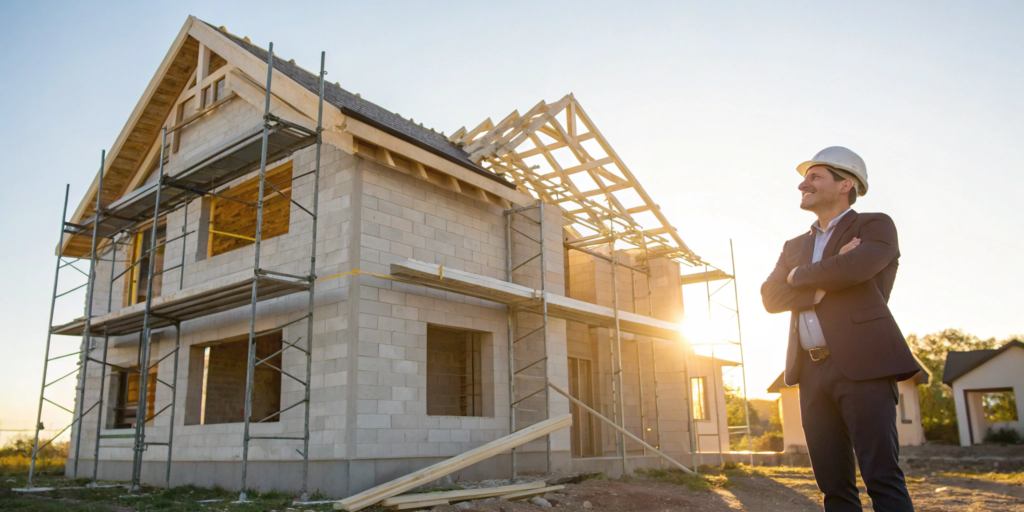
Life is full of surprises, and sometimes your five-year plan changes overnight. You put a deposit on a beautiful new build, picturing your future there, but now a new job, a growing family, or a different opportunity has you rethinking everything. This leaves you with a big question: can we sale under construction property when it’s still just a framework and a plot of land? The answer is a resounding yes. This process, known as an assignment sale, involves selling your purchase contract to a new buyer. It’s a unique transaction with its own set of rules, but it’s a fantastic solution when your path changes. This guide will walk you through everything you need to know, from checking your builder’s agreement to pricing your property and winning over buyers.
Key Takeaways
- Check Your Builder Agreement First: Your original contract is the starting point for everything. It dictates whether you can sell before completion and outlines the specific rules, fees, and approvals, like a No-Objection Certificate, you’ll need to follow.
- Build Buyer Confidence with Full Transparency: Since buyers can’t see the finished product, you must earn their trust. Provide all project documents, be upfront about the construction timeline, and create a detailed listing with renderings and floor plans to help them visualize their investment.
- Plan for Taxes and Partner with an Expert: Understand your financial obligations, especially capital gains tax, which varies based on how long you’ve held the property. Working with a real estate agent who specializes in these sales ensures you handle the unique paperwork and negotiations correctly.
Can You Sell a Property That’s Still Being Built?
So, you’ve put a deposit down on a new build, but your plans have changed. The big question is: can you sell a property that’s still a construction site? The short answer is yes, it’s definitely possible. This type of sale, often called an “assignment sale,” involves transferring your purchase contract to a new buyer before you officially take ownership of the completed property. It’s a bit different from a typical resale, but it’s a path many people take when life throws a curveball or a new opportunity arises.
Selling an under-construction property isn’t as simple as putting a “For Sale” sign on a pile of lumber. It requires a solid understanding of your legal obligations and the specific rules governing the transaction. Think of it as selling the rights to the property rather than the physical property itself. Before you even think about listing it, there are two critical first steps you need to take to make sure you’re on solid ground. The process is manageable, but it’s not something you want to tackle alone. You’ll want to work with a real estate professional who understands the unique challenges and can guide you through the paperwork and negotiations to ensure everything goes smoothly.
First, Check Your Builder Agreement
Before you do anything else, pull out the original purchase agreement you signed with the builder. This document is your rulebook. Most builder contracts have specific clauses that address whether you can sell the property before completion. Look for terms like “assignment,” “resale,” or “transfer.” Some builders prohibit these sales entirely, while others allow them but with specific conditions, like waiting until a certain percentage of the development is sold or charging a hefty assignment fee. Understanding these terms upfront will save you from potential legal headaches and confirm if your sale is even possible. It’s the non-negotiable first step.
Understand State and Local Regulations
Once you’ve confirmed the builder is on board, the next step is to get familiar with your local and state laws. The rules for selling under-construction properties can vary quite a bit depending on where you live. For example, some areas may require the property to be officially registered before you can legally transfer the contract. These regulations are in place to protect both buyers and sellers, so it’s essential to know what’s required in the communities you’re dealing with. This is where having an agent who knows the local market inside and out becomes incredibly valuable, as they can help you handle the specific legal requirements for your area.
What Paperwork Do You Need to Sell?
Selling a home that’s still under construction involves a unique paper trail. Unlike a traditional sale, you’re not just handing over keys; you’re transferring a contract and a future promise. Getting your documents in order is the most important step you can take to ensure a smooth and successful transaction. It shows potential buyers you’re a serious, organized seller and helps prevent any last-minute surprises. Let’s walk through exactly what you’ll need.
Get the Builder’s Go-Ahead: The No-Objection Certificate
First things first: you need the builder’s official permission to sell. This comes in the form of a document called a No-Objection Certificate, or NOC. Before you even think about listing your property, pull out your original agreement with the builder and read the fine print on any resale clauses. Most developers require you to obtain an NOC before you can transfer the property to a new buyer. This certificate is the builder’s formal acknowledgment and approval of the sale, and it’s a non-negotiable document for protecting you, your buyer, and the developer. Think of it as the green light for your entire sale.
Line Up Your Ownership and Transfer Documents
Once you have the builder’s blessing, it’s time to gather all the documents that prove your ownership and will help transfer it to the new buyer. You’ll need the original Allotment Letter and the Builder-Buyer Agreement, along with all the payment receipts you’ve collected. These papers are the foundation of the sale. The actual transfer is typically handled through a tripartite agreement signed by you, the new buyer, and the builder. This legal document officially transfers all rights and obligations to the new owner. It’s also crucial to ensure the builder’s records are updated with the new buyer’s information after the sale is complete.
Confirm the Project’s Permits are in Order
A smart buyer will want to see that the entire project is legally sound, so it’s best to have these documents ready from the start. Being transparent about the project’s legal standing builds immense trust. You should have copies of the land’s title deed (proving the builder owns it), the project’s RERA registration details, and the approved building plans. It’s also wise to confirm that any necessary environmental approvals are in place. Having these documents on hand shows you’ve done your homework and reassures buyers that they are investing in a legitimate and secure project, making it easier for them to move forward with confidence.
What Are the Common Hurdles When Selling?
Selling a property that isn’t finished yet comes with a unique set of challenges. Unlike a traditional sale, you’re not just selling a physical home; you’re selling a promise and a timeline. Getting ahead of potential obstacles, from builder red tape to buyer hesitation, is the key to a smooth and successful transaction. By understanding these common hurdles, you can prepare a strategy to address them head-on and keep your sale on track.
Dealing with Builder Approvals and Rules
Before you even think about listing your property, your first stop should be the agreement you signed with the builder. It likely contains specific rules about selling before the project is complete. Many builders require you to get a “No-Objection Certificate” (NOC), which is their formal permission to transfer the property to a new owner. Be aware that some builders may also charge high fees for this transfer, which can cut into your profits. Getting clarity on these guidelines for sellers from the start will prevent surprises and delays down the line.
Addressing Buyer Doubts and Market Perceptions
Buyers often feel nervous about purchasing an under-construction property. Their biggest worries usually revolve around potential construction delays or the final quality of the build. You can ease these fears by being prepared. Gather information on the builder’s track record, including their past projects, positive reviews, and financial stability. When you connect with potential buyers, have clear, honest answers ready for their questions. Transparency is your best tool for building trust and helping them feel confident in their decision to buy.
Managing Expectations Around Construction Timelines
Let’s be honest: project delays are common in new construction. It’s a reality that both you and your potential buyer need to be aware of. Be upfront about the projected completion date and any potential for delays based on the builder’s progress. It’s also a good idea to review your own contract to see if there are any penalties for the builder if they don’t finish on time. This information can be a valuable reassurance for a buyer who might be worried about juggling rent and a mortgage if the timeline gets pushed back.
How Will This Sale Affect Your Taxes?
Selling a property is a major financial transaction, and the tax implications are a huge part of the equation. When you’re selling a home that’s still under construction, the rules can feel a bit different. But don’t worry—understanding the basics will help you plan for a smooth and profitable sale. The two main things to get familiar with are capital gains tax and any applicable sales or transfer taxes.
Thinking about these details early on helps you set a realistic price and know what to expect when the sale closes. While we always recommend chatting with a tax professional for advice tailored to your specific situation, this guide will walk you through the key concepts every seller should know. Being prepared will give you the confidence to handle any questions that come your way from potential buyers.
Know Your Capital Gains: Short-Term vs. Long-Term
When you sell a property for more than you paid for it, the profit is called a capital gain, and it’s typically taxable. The amount of tax you pay depends on how long you’ve held the property. In the US, gains are generally classified as either short-term or long-term. If you sell the property within one year of acquiring it, your profit is considered a short-term capital gain and is taxed at your regular income tax rate, which is higher.
If you hold the property for more than a year before selling, the profit qualifies as a long-term capital gain, which comes with a much lower tax rate. This distinction can make a significant difference in your net earnings. Be sure to document your acquisition date to determine which category your sale will fall into.
What to Know About GST on the Sale
While the term Goods and Services Tax (GST) isn’t typically used for real estate in the US, you do need to be aware of state and local transfer taxes. These are taxes imposed on the transfer of property from one person to another. The rules and rates vary widely depending on where the property is located. For under-construction properties, it’s important to clarify who is responsible for these taxes—the buyer, the seller, or if they’re split.
This is often a point of negotiation in the sales agreement. Make sure you understand the local regulations and factor these potential costs into your pricing strategy. A clear understanding prevents surprises at the closing table and ensures all financial obligations are met correctly.
Don’t Fall for These Tax Myths
It’s easy to get overwhelmed by tax talk, which leads to some common misconceptions. One myth is that the tax situation for an under-construction property is too complex to be worth the effort. While it requires careful planning, it’s entirely manageable. Some buyers are specifically looking for these types of properties, and with the right approach, the sale can be very financially rewarding.
Understanding the tax implications doesn’t make the process harder; it empowers you. Knowing about capital gains and transfer taxes helps you price your property effectively and speak confidently with buyers. If you’re feeling unsure, remember that you don’t have to figure it all out alone. Working with an experienced real estate team can help you feel prepared to handle every aspect of your sale.
How to Price and Market Your Property
Once you have the green light to sell, your next move is to figure out the right price and create a marketing plan that gets buyers excited. Selling a property that isn’t finished yet requires a slightly different approach than a traditional sale. You’re not just selling a physical space; you’re selling a vision and a future investment. The key is to build a compelling story around the property’s potential, backed by clear, transparent information that helps buyers feel confident and secure in their decision. From setting a competitive price to crafting a listing that answers every question before it’s asked, your strategy should focus on turning the property’s “in-progress” status into one of its biggest strengths.
Set the Right Price for a Property in Progress
Pricing an under-construction property is a delicate balance. You want to attract serious buyers without leaving money on the table. Start by researching what similar, completed properties are selling for in the area. This gives you a solid baseline. Remember, buyers expect a bit of a discount for purchasing a home that isn’t move-in ready, often around 10-20% less than a finished home. It’s also smart to consider the tax implications. Selling within two years of your allotment date typically results in short-term capital gains, which are taxed at a higher rate. Waiting until after the two-year mark qualifies it as a long-term gain with a lower tax rate. An experienced agent can help you run a comparative market analysis to find that sweet spot.
Create a Listing That Answers Buyer Questions
When a buyer can’t walk through a finished home, your online listing has to do the heavy lifting. Transparency is everything. Your goal is to paint such a clear picture that buyers feel like they know the space inside and out. Provide every detail you can: floor plans, the types of building materials being used, and a full list of amenities like pools, gyms, or community spaces. Use high-quality visuals, such as architectural renderings and 3D virtual tours, to bring the project to life. Be upfront about the construction timeline and provide a comprehensive breakdown of all costs, including any transfer fees or taxes. A detailed listing helps you attract qualified buyers and builds the trust needed to close the deal.
Spotlight the Property’s Future Potential
One of the biggest draws of an under-construction property is its investment potential. Make this a central theme of your marketing. Highlight that the home is priced lower than a comparable move-in-ready property, giving the buyer instant equity once the project is complete. Talk about the potential for value appreciation as the home is finished and the surrounding neighborhood grows. If it’s in an up-and-coming area, point to new developments or infrastructure that make it a smart long-term investment. You can also discuss the potential for rental income, which is a huge plus for many buyers. By focusing on the future benefits, you help buyers see the incredible opportunity you’re offering.
How to Win Over Hesitant Buyers
Selling a property that isn’t finished yet requires a different approach. Buyers can’t walk through the finished rooms or see the final landscaping, so they’re naturally more cautious. They’re buying a promise, and it’s your job to make that promise feel as solid and secure as possible. The key is to anticipate their questions and fears and address them head-on. By being proactive, transparent, and accommodating, you can turn a hesitant prospect into a confident buyer who is excited about their future home. It’s all about building a strong foundation of trust from the very first conversation. When you put yourself in their shoes and provide the clarity they need, you remove the biggest barriers standing in the way of a successful sale.
Build Trust by Being Transparent
Honesty is your most powerful tool. Buyers are often worried about what they don’t know—hidden fees, unexpected delays, or last-minute changes. Get ahead of these concerns by being an open book. Share the complete construction timeline and provide regular progress updates with photos or short videos. Create a clear breakdown of all costs, so there are no surprises down the line. Have all the essential paperwork, like the project’s permits and approvals, ready for them to review. When you volunteer this information freely, you show that you have nothing to hide. This transparency helps potential buyers feel secure and confident in their decision, knowing they have a complete picture of their investment.
Offer Flexible Payment Options and Site Tours
A little flexibility can go a long way in easing a buyer’s financial concerns. Work with the builder to see if you can offer more adaptable payment plans, such as a structure that aligns with construction milestones. This makes the purchase feel more manageable than a single, large upfront payment. Just as important is helping them connect with the physical space. Schedule regular site tours so they can walk the property, see the progress for themselves, and start to visualize their life there. Seeing the walls go up and the rooms take shape makes the project feel real and exciting. A safe, well-organized construction site shows professionalism and care, further reassuring them that their future home is in good hands.
Be Upfront About the Construction Timeline
Managing expectations is crucial when selling a property that’s still a work in progress. Be realistic and direct about the construction schedule from the start, including any potential for delays. It’s better to under-promise and over-deliver. Before you even list the property, make sure you have the builder’s formal permission to sell, often documented in a specific release or certificate. Every sale is unique, and it’s important to understand the specific rules that apply. Being upfront about the timeline and the process builds credibility and prevents future frustration. If you need help sorting through the specifics of your agreement, don’t hesitate to contact us for guidance. Clear communication ensures everyone is on the same page from day one.
Should You Work with a Real Estate Agent?
Selling a property that isn’t finished yet is a different ballgame than a traditional home sale. It comes with its own set of rules, paperwork, and potential buyer hesitations. While you can certainly go it alone, partnering with a real estate agent who understands these unique challenges can make the entire process smoother and more successful. It’s about having a professional in your corner who can anticipate hurdles, manage the moving parts, and keep the sale on track toward a successful closing.
The Value of Expert Guidance in a Complex Sale
An experienced real estate agent does more than just list your property; for an under-construction home, they bring a specialized skill set. They understand the local market dynamics for new builds, can find serious buyers who are comfortable with the process, and will help you price the property correctly from the start. A great agent acts as your strategic partner, advising you on everything from staging a virtual tour to setting a competitive commission that gets other agents excited to show your property. Think of them as your project manager, helping you put your best foot forward and ensuring you’re well-represented. Our team is dedicated to providing expert support for sellers in all types of transactions.
How We Make the Process Easier for You
This is where we really shine. We handle the complex steps so you don’t have to. One of the first things we’ll do is help you secure the ‘No-Objection Certificate’ (NOC) from your builder, which is essential to even begin the sales process. We’ll also manage all the legal paperwork to confirm the sale is compliant with all regulations. Beyond the documents, we help build trust with potential buyers. We know they have questions about timelines and costs, so we work with you to provide clear updates and transparent financial details. By addressing concerns head-on and showcasing the property’s future potential, we help buyers feel confident and ready to move forward. If you’re ready to get started, contact us today.
Your Step-by-Step Guide to a Successful Sale
Selling a property that isn’t finished yet might seem complicated, but it’s entirely manageable when you break it down into clear, actionable steps. Think of it as a project with a beginning, middle, and end. The key is to stay organized and communicate clearly with everyone involved. From getting the initial green light from your builder to handing over the rights to the property, having a solid plan will make the entire process smoother. This guide will walk you through the major phases of the sale so you know exactly what to expect and can move forward with confidence.
Map Out Your Timeline and Milestones
First things first, pull out your original agreement with the builder. This document is your rulebook, and it will outline any specific conditions or restrictions on selling the property before completion. Once you confirm you can proceed, sketch out a rough timeline. Key milestones will include getting formal approval from the builder, preparing all necessary legal documents, finding a qualified buyer, and navigating the final transfer process. Planning these stages helps you anticipate what’s next and ensures you don’t miss any critical deadlines. A clear selling timeline keeps you in control and helps manage expectations for you and your potential buyer.
Keep Everyone on the Same Page: Builder, Buyer, and Legal
Clear and consistent communication is your best tool in this type of sale. You’ll be coordinating between three main parties: the builder, your buyer, and your legal team. Start by getting a “No-Objection Certificate” (NOC) from the builder, which is their official permission to sell. For your buyer, transparency is essential to build trust. Share the construction schedule, provide regular progress updates with photos, and be upfront about all costs. Buyers are often wary of delays or hidden fees, so being open will set their minds at ease. We can help you prepare your property for sellers by creating a communication plan that keeps everyone informed and confident.
Cross the Finish Line: The Final Transfer and Closing
Once you have a buyer and all approvals are in place, it’s time to handle the final paperwork. This involves signing a tripartite agreement between you, the builder, and the new buyer, which officially transfers your rights and obligations. The builder will then update their records to reflect the new ownership. You’ll also need to address the financial side, including settling any outstanding payments and understanding your tax obligations. You will likely need to pay Capital Gains Tax on the profit from the sale. Ensuring all legal documents are correctly executed is the final step to a successful closing, securing a smooth transition for everyone involved.
Related Articles
- The Home Selling Process: An Ultimate Guide
- The Essential Legal Steps to Selling a House
- The Ultimate House Selling Process Timeline
- A Real Estate Transaction Example: Step-by-Step
- The Home Selling Process Step by Step: A 2025 Guide
Frequently Asked Questions
What’s the very first thing I should do if I’m thinking about selling my under-construction property? Before you do anything else, locate and carefully read the original purchase agreement you signed with the builder. This document holds all the rules for your specific situation. You need to look for clauses related to “assignment” or “transfer” to see if the builder allows these sales, what conditions apply, and what fees you might have to pay. This single step will determine if and how you can move forward.
How is selling an under-construction property different from a regular home sale? The main difference is that you aren’t selling a physical house; you’re selling your contract and the right to own the property once it’s complete. This is often called an “assignment sale.” The process involves a three-way agreement between you, the new buyer, and the original builder to transfer all the rights and responsibilities of the purchase contract over to the new owner.
How do I determine a fair price for a home that isn’t even built? Pricing is a balancing act. A good starting point is to research the market value of similar, completed homes in the area. From there, you’ll likely need to adjust the price downward to account for the fact that the buyer has to wait for construction to finish. This discount compensates them for the wait and the uncertainty. An experienced agent can perform a detailed market analysis to help you find the perfect price that attracts buyers while protecting your investment.
What’s the best way to make a buyer feel confident about purchasing a home they can’t see? Transparency is your best friend. Since a buyer can’t do a physical walkthrough, you need to provide them with as much information as possible to help them visualize the final product and trust the process. This includes sharing detailed floor plans, architectural renderings, a list of finishes, and all the project’s legal permits. Offering regular progress updates with photos also goes a long way in building the confidence they need to commit.
Do I really need a real estate agent for this type of sale? While you can technically manage the sale on your own, it’s a complex process with unique legal and financial hurdles. An agent who is experienced with assignment sales can be invaluable. They handle the specialized marketing, find qualified buyers who are comfortable with this type of purchase, and manage the intricate coordination between you, the buyer, and the builder. Think of them as a project manager who ensures every detail is handled correctly for a smooth closing.
