
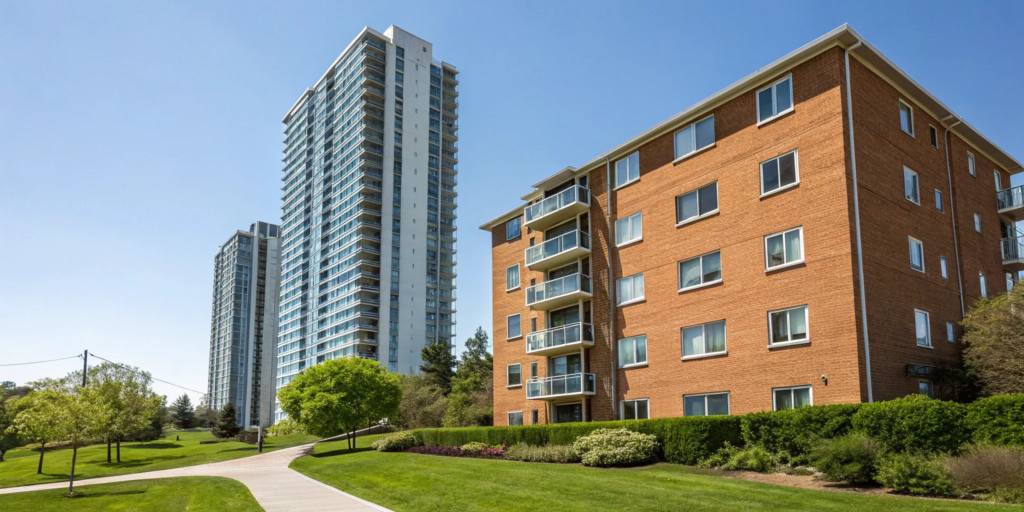
Most people know the basic difference between a condo and an apartment: you buy one and rent the other. But the decision goes much deeper than that. The real factors that will impact your daily life are in the details—the things people often overlook. We’re talking about Homeowners Association (HOA) rules that dictate what you can do with your balcony, the responsibility of paying for your own repairs, and the potential for special assessments for building-wide projects. A smart condo vs apartment buying decision requires looking past the monthly payment and understanding the fine print. We’ll uncover these hidden responsibilities and costs to give you a clear, realistic picture of what to expect from each option.
Key Takeaways
- Choose between investing in an asset or paying for flexibility: Buying a condo means your monthly payments build equity, turning your housing costs into a long-term investment. Renting an apartment means you’re paying for the convenience and freedom to move without the financial ties of ownership.
- Budget beyond the monthly payment: Condo ownership includes your mortgage plus property taxes, HOA fees, and the cost of interior repairs. Apartment renting is simpler with a set rent, but you miss out on building wealth and may face annual rent increases.
- Match your home to your life’s timeline: A condo is a smart move if you’re ready to settle in one place for a few years and want the freedom to personalize your space. Renting is the better choice if you value the ability to relocate easily and prefer a hands-off approach to maintenance.
Condo vs. Apartment: What’s the Real Difference?
On the surface, a condo and an apartment can look exactly the same. They might be in the same high-rise building, share a pool, and have similar floor plans. But the real distinction isn’t about the physical space—it’s about ownership. This one key difference changes everything, from how your money is spent to who you call when the dishwasher breaks.
Think of it this way: buying a condo is like buying a single-family house that happens to share walls with other homes. You own it. Renting an apartment means you’re paying a landlord for the right to live in a space they own. Understanding this fundamental split is the first step in figuring out which option is the right fit for your finances and your lifestyle. We’ll break down what owning versus renting really means for your wallet, your responsibilities, and your future plans.
Understanding What It Means to Own vs. Rent
The single biggest difference between a condo and an apartment comes down to who holds the deed. A condo is an individual unit that you purchase and own outright, just like a traditional house. An apartment, on the other hand, is a unit within a larger building owned by a single entity—usually a property management company—that you pay to live in.
This distinction has a ripple effect. As a condo owner, you’re responsible for your own interior maintenance and repairs. If a pipe bursts under your sink, it’s on you to fix it. In an apartment, you’d simply call the landlord. This ownership model is what makes becoming a home buyer such a significant step, giving you both more control and more responsibility over your living space.
How Your Money Works: Building Equity vs. Paying Rent
When you buy a condo, your monthly mortgage payments do more than just keep a roof over your head; they help you build equity. Equity is the portion of your property you truly own, and it grows as you pay down your loan and as the property’s value increases. It’s a powerful financial tool that you can borrow against or cash in when you sell. Condo owners also pay property taxes and monthly Homeowners Association (HOA) fees.
In contrast, when you rent an apartment, your monthly payment goes directly to your landlord. It covers your right to live there for that month, but it doesn’t build any long-term wealth or ownership for you. While renters don’t have to worry about property taxes or surprise repair bills, they also miss out on the financial benefits of homeownership.
Deciding on a Short-Term or Long-Term Home
Your personal timeline is a huge factor in this decision. Renting an apartment offers incredible flexibility. If you think you might get a job offer in another city or you’re just not ready to put down roots, renting is often the smarter, lower-commitment choice. The upfront costs are lower, and you can typically move out at the end of your lease without much hassle.
Buying a condo is more of a long-term play. Because of the initial costs like a down payment and closing fees, it usually takes a few years to make the investment worthwhile. If you see yourself staying in one place for a while and are ready to start building equity, you can begin your property search with confidence. It’s a move that can set you up for greater financial stability down the road.
Let’s Talk Money: The Costs of a Condo vs. an Apartment
When you’re deciding between a condo and an apartment, the financial aspect is often the biggest piece of the puzzle. It’s not just about the monthly payment; it’s about understanding the full scope of costs, from the day you get the keys to years down the road. Thinking through these numbers will help you see which option truly fits your budget and financial goals. Let’s break down what you can expect to pay for each, so you can make a choice that feels right for you.
Comparing the Upfront Costs
The initial cash you’ll need is one of the most significant differences between buying a condo and renting an apartment. When you decide to buy a property, you’re looking at a down payment, which is a percentage of the home’s total price. On top of that, you’ll have closing costs, which cover things like appraisal fees, title insurance, and attorney fees. For an apartment, the upfront cost is usually much lower. You’ll typically pay a security deposit, which is often equal to one month’s rent, and maybe the first month’s rent in advance. While buying requires more capital at the start, that investment begins building your personal wealth from day one.
A Look at Your Monthly Expenses
Your recurring monthly payments will also look quite different. As a condo owner, your primary expense is your mortgage payment, which includes both principal and interest. A portion of that payment goes toward paying down your loan, which helps you build equity over time. You’ll also be responsible for property taxes and any repairs inside your unit. Renting an apartment means you’ll have a predictable monthly rent payment. While you don’t build any equity, your landlord is typically responsible for handling most maintenance and repairs, which can save you from unexpected expenses. It’s a trade-off between investing in an asset and paying for the convenience of flexibility and fewer responsibilities.
Factoring in HOA Fees and Property Taxes
If you buy a condo, two additional costs you need to plan for are property taxes and Homeowners Association (HOA) fees. Property taxes are paid to your local government and are based on the assessed value of your condo. HOA fees are monthly payments made to the association that manages your building and its common areas. These fees cover the upkeep of shared amenities like pools, gyms, landscaping, and building exteriors. It’s important to remember that HOA fees can, and often do, go up over time to cover rising maintenance costs or to fund major building projects. When you’re budgeting, be sure to factor in these recurring expenses.
Uncovering the Hidden and Ongoing Costs
Beyond the obvious monthly payments, both condos and apartments have other costs to consider. As a condo owner, you are responsible for all repairs and maintenance inside your unit. If your water heater breaks or your dishwasher stops working, that expense is on you. The HOA usually takes care of the building’s exterior, but you might face a “special assessment” if a major, unexpected repair is needed, like a new roof. You also have to live by the rules set by the condo association, which could include restrictions on pets, noise, or even renting out your unit. Renters, on the other hand, have fewer surprise costs but may have to pay for things like parking or pet fees.
Beyond the Rent Check: A Homeowner’s Responsibilities
When you rent an apartment, your biggest monthly responsibility is pretty straightforward: paying your rent on time. If the dishwasher breaks or the air conditioning goes out, you just call the landlord. Owning a condo, however, shifts many of those responsibilities onto your shoulders. It’s an empowering change that gives you more control, but it’s important to walk in with your eyes open. From handling repairs to following community rules, being a homeowner means you’re in the driver’s seat. Let’s break down what that really looks like day-to-day.
Handling Your Own Maintenance and Repairs
One of the biggest adjustments when you buy a condo is becoming your own landlord. While you won’t have to mow a lawn, you are in charge of what happens inside your unit. As a general rule, condo owners are responsible for repairs inside their own four walls. This means if a pipe under your sink bursts or an appliance stops working, it’s up to you to call a plumber or repair person and cover the cost. The Homeowners Association (HOA) typically handles the building’s exterior and common areas, like the roof, elevators, and swimming pool. Understanding this “walls-in” policy is key to budgeting for future maintenance costs.
Living by HOA Rules and Restrictions
When you buy a condo, you’re also buying into a community with a shared set of rules, managed by the HOA. While you have the freedom to paint your living room any color you like, the HOA can have strict rules about things that affect the community’s appearance and atmosphere. These regulations can cover anything from the type of blinds you can have in your windows to whether you can have a grill on your balcony. They might also include restrictions on pets, noise levels, and renting out your unit. Before you make an offer, it’s essential to review the HOA’s covenants and bylaws to make sure you’re comfortable with the guidelines.
Understanding Your Insurance Needs
Your insurance needs also change when you become a homeowner. While your HOA has a master insurance policy that covers the building’s structure and common areas, it doesn’t protect your personal belongings or cover liability inside your unit. For that, you’ll need your own policy. Condo owners typically purchase a specific type of insurance called HO-6, which is designed to fill in these gaps. It protects your furniture, electronics, and clothing from events like theft or fire, and it also provides liability coverage if someone is injured in your home. Your lender will require you to have this coverage before you can close on your condo.
Weighing the Pros and Cons of Each Option
Deciding between buying a condo and renting an apartment comes down to what you value most right now. Both paths have their own unique benefits and challenges. Let’s break down the good, the bad, and the financially savvy for each option so you can feel confident about your next move.
The Perks of Owning a Condo
The biggest win for condo ownership is building equity. Every mortgage payment you make is an investment in your future, growing your ownership value over time. Condos often serve as a more affordable path to homeownership compared to single-family houses, making them a fantastic starting point. Another major plus is the low-maintenance lifestyle. Your monthly Homeowners Association (HOA) fees typically cover exterior upkeep like landscaping and snow removal, so you can say goodbye to weekend yard work. You’ll still be responsible for everything inside your unit, but the big outdoor tasks are handled for you, giving you more time to enjoy your new home.
The Downsides of Buying a Condo
While that HOA fee covers maintenance, it’s an extra monthly cost that can, and often does, increase over time. You’re also living in close quarters, sharing walls and common areas with your neighbors, which means less privacy than you’d have in a detached home. The biggest adjustment for many is living by the HOA’s rules. These regulations can dictate everything from pet ownership and noise levels to whether you can rent out your unit. Before you buy, it’s crucial to read the HOA covenants to make sure you’re comfortable with the community’s guidelines and restrictions.
The Advantages of Renting an Apartment
Renting is all about flexibility and predictability. The upfront costs are usually much lower than a down payment, often just a security deposit and the first month’s rent. This makes it a great choice if you aren’t planning to stay in one place for long or are still saving up. When the faucet leaks or the furnace acts up, you just call your landlord—they’re responsible for arranging and paying for repairs and general upkeep. This hands-off approach to maintenance can be a huge relief, freeing you from the stress and unexpected costs that can come with homeownership.
The Drawbacks of Long-Term Renting
The main drawback of renting is that you don’t build any equity. Your monthly rent payment goes entirely to your landlord, not toward an asset you own. Over the long term, this can feel like you’re not making financial progress. You also have less control over your living situation. Your landlord can raise the rent when your lease is up, and the rules can change with little notice. Plus, you’re limited in how much you can personalize the space. If you’re ready to stop paying someone else’s mortgage and invest in your own future, you can start your search for a place to call your own.
How Your Lifestyle Influences the Decision
Beyond the numbers, your day-to-day life is the biggest factor in this decision. Are you a homebody who loves weekend DIY projects, or are you a social butterfly who’s rarely home? Do you plan on staying in the area for a while, or is your career path more unpredictable? Answering these questions will help you figure out whether the structure of condo ownership or the flexibility of apartment renting is a better fit for your current and future plans. Let’s walk through how your personal preferences shape this choice.
How Much Flexibility Do You Really Need?
Think about where you see yourself in the next five years. If you’re planting roots and feel confident you’ll be in the same area for a while, buying a condo can be a fantastic long-term financial move. It allows you to build equity and settle into a community. However, if your career is dynamic, or you simply love the freedom to pick up and move to a new city, renting an apartment offers unmatched flexibility. You can adapt to life changes without the complex and costly process of selling a property. For those ready to commit, exploring what it takes to become a home buyer is a great first step.
What to Expect from Community Amenities
Both condos and apartments often offer attractive amenities like pools, fitness centers, and shared outdoor spaces. These perks are a huge draw for people who want a built-in community and convenient access to recreational facilities. In an apartment complex, these are managed by the landlord and included in your rent. With a condo, your HOA fees go directly toward maintaining these spaces, giving you a sense of shared ownership. The key is to be realistic about what you’ll actually use. A state-of-the-art gym is only a perk if you cancel your other gym membership and use it.
Choosing a Location That Fits Your Life
If you crave a vibrant, walkable lifestyle, you’re in luck. Both condos and apartments are typically located in central, high-demand areas close to shops, restaurants, and public transit. This makes them ideal for anyone who wants to be in the middle of it all. For many first-time buyers, a condo can be a more affordable entry point into homeownership in a desirable neighborhood where single-family homes are out of reach. When you’re ready, you can explore different communities to find a location with the energy and convenience that matches your pace of life.
Making the Space Truly Your Own
This is where the difference between owning and renting really shines. When you buy a condo, you have the freedom to paint the walls any color you like, upgrade the kitchen, and change the light fixtures. It’s your space to customize. Renting an apartment usually means living with someone else’s design choices, with restrictions on even minor changes. However, condo ownership isn’t a total free-for-all. The Homeowners Association (HOA) has rules for the building’s exterior and common areas, and sometimes even for things like window coverings or pets. You get freedom inside your four walls, but you have to play by the community’s rules outside of them.
Let’s Clear Up Some Common Misconceptions
When you’re weighing your options, it’s easy to get tangled up in myths and half-truths about condos and apartments. The lines can seem blurry, but the differences in responsibility, cost, and personal freedom are significant. Let’s set the record straight on a few key points so you can move forward with confidence, knowing exactly what to expect from each path. Understanding these distinctions is the first step to finding a home that truly fits your life.
The Truth About Who Handles Maintenance
One of the biggest points of confusion is who fixes what when something breaks. In an apartment, it’s pretty straightforward: your landlord or property management company handles most repairs. From a leaky pipe to a broken air conditioner, it’s usually their responsibility to sort it out.
When you own a condo, you become your own landlord for everything inside your four walls. That means you’re responsible for maintaining your appliances and handling interior repairs. The upside? The homeowners association (HOA) fee you pay every month covers the big stuff. The HOA typically takes care of the building’s exterior and all the common areas, like the roof, landscaping, hallways, and amenities like a pool or gym.
What Owning vs. Renting Really Costs
It’s about more than just the monthly payment. When you rent an apartment, your major costs are the security deposit and your monthly rent. That rent money is gone once you pay it—you’re paying for a place to live, not investing in an asset.
Buying a condo involves more upfront expenses, like a down payment and closing costs. Your monthly payment will include your mortgage, property taxes, and those HOA fees. But here’s the crucial difference: a portion of your mortgage payment goes toward building equity. You’re investing in your future and growing your ownership stake in the property over time. Plus, as a homeowner, you may be eligible for certain tax benefits that renters don’t get.
How Much Freedom You Actually Have
Freedom looks different depending on whether you own or rent. As a condo owner, you have significant freedom inside your unit. Want to paint the walls a bold color or renovate the kitchen? Go for it. You also have the freedom to sell or rent out your property whenever you choose. However, you’ll still have to live by the HOA’s rules, which can govern everything from exterior decorations and landscaping to the types of pets you can own.
In an apartment, your lease dictates what you can and can’t do. Major changes are usually off-limits, and you’ll need your landlord’s permission for smaller updates. While this means less creative control, it also means fewer rules to keep track of compared to a thick book of HOA regulations.
How to Choose the Right Path for You
Deciding between buying a condo and renting an apartment is a major life choice, and there’s no single right answer. The best path depends entirely on your personal circumstances, from your finances to your five-year plan. It’s about more than just comparing monthly payments; it’s about understanding what you value most right now. Do you crave the stability and investment potential of ownership, or does the flexibility of renting better suit your current lifestyle? By taking a clear-eyed look at your financial situation, lifestyle priorities, and long-term goals, you can move forward with confidence. Let’s walk through the key questions to ask yourself to figure out which option is the perfect fit for you.
Assess Your Financial Readiness
First, let’s get real about the numbers. The financial commitment for buying is very different from renting. When you buy a property, you’re looking at a down payment, closing costs, ongoing mortgage payments, and monthly HOA fees. On the other hand, renting an apartment typically requires a security deposit and the first month’s rent. Take an honest look at your savings and your monthly budget. Do you have enough saved to comfortably cover the upfront costs of buying without draining your emergency fund? Or does the lower barrier to entry for renting make more sense for your financial health right now? Answering this question is the most important first step.
Revisit Your Top Lifestyle Priorities
Beyond the budget, think about where you are in life. Are you planning to stay in the area for the long haul, or could a job offer or life change have you packing your bags in a year or two? If you plan to stay put for a while, buying often makes more financial sense and gives you a true sense of home. However, renting offers incredible flexibility and fewer responsibilities, which is a huge plus if you’re not ready to settle down or prefer a more hands-off approach to home maintenance. Consider which local communities you see yourself in long-term to help guide your decision.
Consider the Market and Your Investment Goals
Finally, think about your long-term financial goals. Buying a condo is an investment—you’re building equity with every mortgage payment and have the potential for your property’s value to grow over time. Renting, while financially practical, doesn’t build wealth in the same way. It’s also smart to pay attention to the current real estate market. When inventory is high, buyers may have more negotiating power. Conversely, in a competitive rental market, buying might look more appealing. Take some time to search for properties and see what’s available in your price range to get a feel for local trends and how they align with your investment ambitions.
Related Articles
- Condominiums For Sale: A First-Time Buyer’s Guide
- Downtown Condominiums for Sale: An Expert Guide
- How to Buy a Condominium: A Step-by-Step Guide
Frequently Asked Questions
Is buying a condo always a better financial decision than renting? Not necessarily. While owning a condo is a powerful way to build your own wealth over time, renting provides valuable flexibility. If you plan to stay in one place for several years, buying often makes more financial sense. However, if you think you might move within a year or two, the high upfront costs of purchasing a home might outweigh the benefits, making renting the smarter short-term play. It all comes down to your personal timeline and financial goals.
What’s the biggest difference in day-to-day responsibility between a condo and an apartment? The main shift is that you become responsible for everything inside your own unit. In an apartment, a broken appliance or a clogged drain usually means a simple call to your landlord. When you own a condo, you’re the one calling the repair person and covering the bill. The upside is that your Homeowners Association (HOA) handles the major exterior and common area maintenance, so you won’t be spending your weekends on building upkeep.
I hear a lot about HOA fees. Are they really that big of a deal? They are a significant and recurring expense, so it’s important to factor them into your budget from the start. These fees pay for the upkeep of shared amenities and the building’s exterior, which protects your investment and provides a convenient lifestyle. Before you buy, it’s essential to review the HOA’s budget and regulations to make sure you’re comfortable with the cost and the community rules. A well-run HOA is an asset, but you have to be prepared for the financial commitment.
How long do I need to live in a condo to make buying it worthwhile? While there’s no universal rule, a common guideline is to plan on staying for at least three to five years. This timeframe generally allows the property’s value to appreciate enough to help you recoup the initial closing costs associated with buying. If you anticipate a move sooner than that, the lower entry costs and flexibility of renting might be a better financial fit for your circumstances.
Can I make changes or renovations to a condo like I could in a house? You have a great deal of freedom inside your own four walls. You can paint, remodel your kitchen, and update fixtures to make the space truly yours. However, you don’t have total control. The HOA will have rules about any changes that could affect the building’s structure or exterior appearance, such as replacing windows or moving walls. You get the freedom to personalize your interior, but you must respect the community-wide guidelines.
