
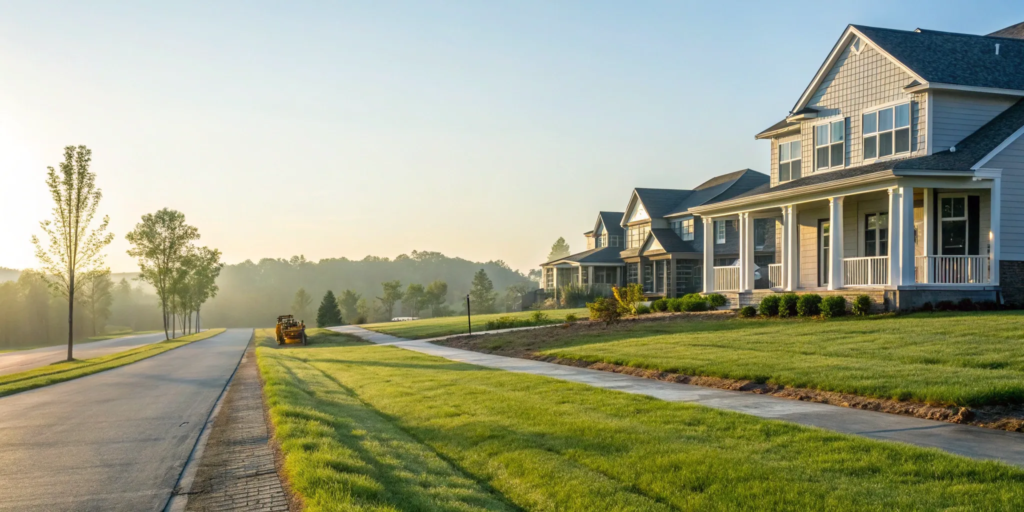
Today’s buyers are looking for more than just a house; they’re looking for a lifestyle. Modern new construction homes are designed to meet that demand, integrating features that are often difficult or expensive to add to an older property. We’re talking about smart home technology built right in, energy-efficient systems that lower your monthly bills, and flexible floor plans with dedicated home offices. Beyond your own four walls, new communities often include incredible amenities like resort-style pools, walking trails, and fitness centers. If you want a home that’s truly designed for modern living, a new build offers a turnkey solution from the moment you move in.
Key Takeaways
- Bring Your Own Advocate: The builder’s on-site sales representative works for the builder. Hiring your own agent ensures you have an expert negotiator and guide dedicated to protecting your interests throughout the entire process.
- Budget Beyond the Base Price: The advertised price is just a starting point. Create a realistic financial plan by factoring in design upgrades, lot fees, and post-move-in costs like landscaping and window treatments.
- Vet Your Builder and Get an Inspection: The quality of your home depends on the builder’s reputation and craftsmanship. Research their past projects, understand the warranty, and always hire an independent inspector to verify the work before closing.
Why Buy a New Construction Home?
If the thought of a home that’s 100% you from day one sounds appealing, then a new construction home might be the perfect fit. Buying new is a completely different experience from purchasing a resale property. Instead of inheriting someone else’s design choices and dealing with years of wear and tear, you get a clean slate. It’s an opportunity to build your dream home from the ground up, tailored to your lifestyle and preferences.
The benefits go far beyond just a fresh coat of paint. From selecting your own finishes to enjoying the peace of mind that comes with brand-new appliances and systems, new builds offer a unique sense of ownership and security. You can move in knowing that everything is modern, efficient, and under warranty. If you’re ready to explore the possibilities, you can often find new construction listings in our property search or by exploring up-and-coming neighborhoods. Let’s look at a few of the biggest advantages of buying a new construction home.
Design It Your Way
One of the most exciting parts of buying a new construction home is the ability to personalize it. Instead of spending your first year of homeownership planning renovations, you get to make key design decisions before the walls even go up. Depending on the builder and the stage of construction, you can often choose everything from the flooring and countertops to the cabinet hardware and paint colors. Many builders also offer structural options, allowing you to add a home office, finish the basement, or create an open-concept living space. It’s your chance to create a home that truly reflects your personal style and meets your family’s needs from the moment you get the keys.
Enjoy Modern Features and Energy Savings
New homes are built to the latest standards, which means they come packed with modern amenities and energy-efficient features. Think brand-new HVAC systems, state-of-the-art appliances, and better insulation. These aren’t just nice-to-haves; they translate into real savings on your monthly utility bills. New builds integrate energy-efficient features that ensure homes are both comfortable and economical to maintain. You’ll also benefit from having brand-new everything—from the roof to the plumbing—which means fewer surprise repairs and a more comfortable, reliable living experience for years to come. This allows you to settle in without worrying about immediate big-ticket replacements.
Less Maintenance and Included Warranties
With a new construction home, you can say goodbye to the weekend projects and unexpected repair bills that often come with older houses. Since every component of the house is new, you can spend your time enjoying your home rather than maintaining it. Even better, builders typically provide a home warranty that covers workmanship, materials, and major systems like electrical and plumbing for a set period. This warranty provides incredible peace of mind, protecting you from costly fixes while you settle in. It’s a safety net that you simply don’t get when buying a resale home, giving you confidence in your investment from the start.
What to Expect When Buying a New Build
Buying a new construction home is a unique journey, different from purchasing a pre-owned property. From the moment you select your plot of land to the final walkthrough, you’re involved in creating your home from the ground up. It’s an exciting process, but it comes with its own set of steps and considerations. Knowing what’s ahead can help you feel confident and prepared as you watch your new home take shape. Let’s walk through the key phases you can expect.
Choosing Your Lot and Floor Plan
This is where the fun really begins. You get to be the architect of your future life by picking the perfect spot and the layout that fits your needs. Builders typically have a variety of lots available, each with different sizes, views, and orientations. Once you’ve claimed your piece of land, you’ll move on to the floor plan. Most builders offer a portfolio of designs you can explore through virtual tours, photos, and detailed layouts. You can often search for homes based on price, square footage, and the number of bedrooms to find a starting point that works for you and your family.
Understanding the Construction Timeline
Patience is key when building a new home. Unlike a resale home where you can move in after closing, a new build has a construction timeline that can range from several months to over a year. This schedule can be affected by weather, supply chain issues, and the availability of skilled labor. Your builder should provide you with a projected timeline with key milestones, but it’s wise to build some flexibility into your own plans. Regular communication with your builder and your real estate agent will help you stay informed about the progress and any potential delays in the process.
Your Financing Options
Financing a new build is a bit different from getting a standard mortgage. You’ll likely need a construction loan to cover the building costs. These are typically short-term loans with variable rates that pay the builder in stages as work is completed. Once the home is finished, this loan is either paid off or converted into a permanent mortgage. Many buyers opt for a construction-to-permanent loan, which simplifies the process by bundling both the construction financing and the final mortgage into a single transaction with one closing. It’s a great way to streamline your financing from start to finish.
How Inspections Work for New Homes
One of the biggest mistakes a buyer can make is assuming a new home doesn’t need an inspection. While everything is brand new and up to current code, the construction process involves many different teams and complex systems. Even the best builders can miss things. We always recommend hiring an independent, third-party inspector to review the property at several key stages, such as before the drywall goes up and again before your final walkthrough. This ensures any potential issues, from foundation cracks to faulty wiring, are caught and corrected by the builder before you move in. It’s a small investment for major peace of mind as a new home buyer.
How to Choose the Right Builder
Choosing your builder is one of the most critical decisions you’ll make in the new construction process. This is the team responsible for turning a floor plan into your future home, so it’s essential to find a partner you can trust. A great builder brings quality craftsmanship, clear communication, and a solid reputation to the table. Taking the time to do your homework upfront will save you from potential headaches and ensure the final product is a home you love for years to come. Think of this as a job interview where you’re the hiring manager—because you are.
Researching and Vetting Builders
Before you fall in love with a model home, get to know the company behind it. Start by looking into the builder’s history and portfolio. Drive through their completed communities to see how the homes hold up over time. Online reviews can offer insights, but also ask the builder for a list of past clients you can speak with directly. A confident builder will have no problem connecting you with happy homeowners. This is also where having an experienced agent is invaluable. A great real estate professional will have inside knowledge of local builders’ reputations, communication styles, and the quality of their work, acting as your advocate every step of the way.
What to Look for in a Warranty
A new home warranty is your safety net, but not all are created equal. Typically, you’ll see a “2-10” warranty, which covers workmanship for one year, systems (like plumbing and HVAC) for two years, and major structural defects for ten years. Read the warranty document carefully to understand exactly what is and isn’t covered. Pay close attention to the exclusions and the process for submitting a claim. Also, be sure to ask how any upgrades or customizations you choose might impact your coverage. Understanding these details upfront helps you avoid unexpected out-of-pocket costs down the road.
Builder Red Flags to Watch For
Trust your gut, but also keep an eye out for concrete warning signs. A major red flag is poor communication from the start; if they’re hard to reach now, imagine what it will be like once construction begins. Be wary of high-pressure sales tactics or a refusal to provide references. Any reputable builder will welcome a third-party inspection, so if they push back on this, consider it a deal-breaker. Vague contracts with unclear timelines or pricing are also cause for concern. A trustworthy builder will be transparent and willing to put everything in writing, ensuring you feel confident and informed throughout the entire process.
What’s Trending in New Construction?
If you’re picturing a row of identical, cookie-cutter houses, it’s time to update that image. Today’s new construction market is vibrant and innovative, focusing on smart design, efficiency, and creating a lifestyle, not just a place to live. Builders are responding to what modern buyers truly want: homes that are more convenient, sustainable, and connected to the community. From flexible floor plans that adapt to your life to eco-friendly features that save you money, the latest trends are all about building a better future. Let’s look at what’s shaping the new homes hitting the market right now.
In-Demand Architectural Styles and Floor Plans
Bigger isn’t always better, and today’s buyers agree. The average size of a new home has actually decreased as buyers prioritize quality over sheer quantity. Many are happy to trade a little square footage for a home that’s thoughtfully designed with functional, flexible spaces. Open-concept living areas remain a staple, creating a seamless flow between the kitchen, dining, and living rooms. But we’re also seeing a huge demand for dedicated spaces like home offices, workout rooms, and multi-purpose lofts. According to the National Association of Home Builders, buyers are focused on essential features that fit their lifestyle, proving that a smart layout is more valuable than extra, unused rooms.
The Rise of Smart Home Technology
Smart home technology has officially moved from a “nice-to-have” luxury to a “must-have” feature for many new home buyers. It’s easy to see why. Imagine adjusting your thermostat from your phone, checking your front door camera while you’re on vacation, or having your lights turn on automatically as you arrive home. This level of convenience, security, and energy management is incredibly appealing. In fact, recent Zillow research shows that new construction buyers are significantly more likely to prioritize smart home capabilities. Builders are responding by integrating everything from smart thermostats and lighting to security systems and keyless entry directly into their homes from the start.
Sustainable and Eco-Friendly Features
Green building is no longer a niche trend; it’s a core principle in modern construction. Buyers are increasingly aware of their environmental footprint and are looking for homes that are both eco-friendly and cost-efficient in the long run. A recent sustainable buildings market study identified carbon neutrality as a top priority in the real estate sector. This translates into features like high-efficiency HVAC systems, ENERGY STAR appliances, and superior insulation. We’re also seeing more builders use sustainable materials, incorporate solar panels, and even design net-zero homes that produce as much energy as they consume. These features don’t just help the planet—they lead to lower utility bills for you every month.
Must-Have Outdoor Living Spaces
A new home is increasingly about more than just the house itself; it’s about the lifestyle that comes with it. Builders are creating communities where the living space extends far beyond the front door. Covered patios, outdoor kitchens, and fire pits are becoming standard features, perfect for relaxing or entertaining. Beyond the backyard, new build communities often offer incredible amenities. Think resort-style pools, state-of-the-art fitness centers, walking trails, dog parks, and even pickleball courts. These shared spaces foster a strong sense of community and provide a built-in social life. The benefits of buying new construction often include access to a lifestyle you can’t find in an established neighborhood.
Breaking Down the Costs of a New Build
One of the biggest learning curves with new construction is understanding the total cost. The advertised price is often just the starting point, and getting a clear picture of the final number involves looking at the base price, upgrades, lot premiums, and other expenses that aren’t always obvious at first glance. Let’s walk through the key financial pieces so you can build a realistic budget and avoid any surprises down the road.
Base Price vs. Upgrades: What’s the Difference?
Think of the base price as the builder’s opening offer. It typically includes the lot, the structure of the home, and the most basic, builder-grade finishes—think standard carpeting, laminate countertops, and simple lighting fixtures. While the base price of a new construction home might seem appealing, it rarely reflects the final cost. The real personalization, and where the budget can quickly expand, comes from upgrades. Choosing hardwood floors, quartz countertops, or custom cabinetry will add to your total. It’s essential to have a clear conversation with the builder about what’s included and what’s extra. An experienced real estate agent can help you review the builder’s spec sheet to understand exactly what you’re getting for the base price.
How Location and Design Affect the Price
Where you build is one of the most significant factors in your home’s final cost. The price of the land itself, local permit fees, and demand for housing in a specific area all play a major role. A lot in a highly-rated school district or a desirable neighborhood will naturally cost more than one in a less developed area. Beyond the location, the complexity of your home’s design also influences the price. A simple, rectangular floor plan is more cost-effective to build than a custom design with multiple angles and unique rooflines. When you’re exploring different communities, remember to factor in both the lot premium and the architectural style you have in mind.
Hidden Costs to Keep on Your Radar
When you’re focused on choosing floor plans and finishes, it’s easy to overlook the other expenses that come with building a new home. These “hidden” costs aren’t meant to be deceptive, but they are frequently underestimated by buyers. Things like permit fees, utility connection charges, and initial site preparation can add thousands to your budget. You may also encounter unexpected expenses if the crew runs into issues with the land, like needing to remove large rocks or improve soil drainage. It’s wise to set aside a contingency fund—typically 5% to 10% of the total construction cost—to cover these potential surprises without derailing your finances.
Budgeting for Landscaping and Your Exterior
Don’t forget about the outside of your house! The builder’s base price often covers only basic grading and seeding, leaving the rest of the landscaping up to you. This means you’ll need to budget separately for items like a sprinkler system, sod, fencing, a deck or patio, and even a paved driveway. These exterior finishes have a significant impact on your home’s curb appeal and your enjoyment of the property, but they can also add up quickly. Before you finalize your budget, get a few quotes from local landscapers and contractors. This will give you a realistic idea of what it will cost to create the outdoor space you envision.
Common Mistakes to Avoid When Buying New
Building a home from the ground up is an exciting process, but it comes with its own unique set of potential pitfalls. Unlike buying a pre-owned home, you’re managing a construction project, a design process, and a real estate transaction all at once. It’s easy to get swept up in the excitement of choosing floor plans and finishes, but a few common missteps can add unnecessary stress and cost to your journey.
Knowing what to watch out for can make all the difference between a smooth experience and a frustrating one. From doing your homework on the builder to understanding the true final price and having the right professional on your side, being prepared is your best defense. Let’s walk through the most common mistakes buyers make so you can confidently move forward with your new home purchase.
Not Vetting the Builder’s Reputation
Signing a contract without thoroughly researching the builder is one of the biggest gambles you can take. The builder’s quality, communication, and reliability will define your entire experience, from groundbreaking to long after you’ve moved in. It’s crucial to investigate the builder’s reputation and past projects to ensure you’re partnering with a company that stands by its work.
Start by looking for online reviews, but don’t stop there. Drive through their completed communities and see how the homes are holding up. If you can, talk to current homeowners about their experience. Ask them about the construction quality, how the builder handled issues, and if they honored their warranty promises. A great builder will have a long track record of satisfied customers.
Underestimating the Final Cost and Timeline
The advertised base price of a new construction home is rarely the final price you’ll pay. Many buyers fail to account for the additional costs of upgrades, which can quickly add tens of thousands of dollars to the total. That beautiful model home is often a showcase of the most expensive options, from flooring and countertops to lighting fixtures. It’s essential to get a detailed list of standard features versus upgrades and budget accordingly.
Similarly, construction timelines are more of an estimate than a guarantee. Delays due to weather, supply chain issues, or permit approvals are common. Not factoring in potential delays can lead to major frustration, especially if you have a lease ending or have already sold your current home. Build a financial cushion and be mentally prepared for a flexible move-in date.
Going It Alone Without an Agent
It’s a common myth that you don’t need a real estate agent for a new build. The friendly sales representative at the model home works for the builder, and their primary responsibility is to protect the builder’s interests, not yours. Hiring your own agent ensures you have a dedicated advocate in your corner. An experienced agent will guide you through complex contracts, help you negotiate the best terms, and serve as your representative throughout the entire process.
Your agent can help you ask the right questions, understand which parts of the deal are negotiable (like closing costs or upgrade credits), and recommend independent inspectors. Best of all, the builder typically pays the buyer’s agent’s commission, so you get expert representation at no direct cost. It’s one of the smartest decisions you can make to protect your investment.
How to Handle Common New Construction Hurdles
Building a home from the ground up is an exciting journey, but it’s rarely a straight line from dirt lot to dream home. You’ll likely encounter a few bumps along the way, from weather delays to decision fatigue. The key isn’t to expect a flawless process, but to be prepared for the common challenges that can arise. With the right mindset and an expert team on your side, you can handle these hurdles with confidence and keep your project moving forward smoothly.
Think of your agent as your project co-pilot. They’ve been through this process countless times and can anticipate issues before they become major problems. They’ll help you communicate effectively with your builder, understand the fine print in your contract, and advocate for your best interests every step of the way. Having a professional guide for home buyers is especially critical in new construction, where the builder’s sales team ultimately works for the builder, not for you. By preparing for potential delays and managing your own expectations, you can make the experience much less stressful and a lot more rewarding.
Dealing with Delays and Quality Control
Let’s be real: construction timelines can be unpredictable. Weather, supply chain issues, and labor shortages can all push back your completion date. While you can’t control the weather, you can stay informed by scheduling regular check-ins with your builder. A great agent will help you do this. It’s also crucial to get everything in writing, including the protocol for handling delays. And don’t skip the independent home inspection. A common misconception is that new homes don’t need one, but a third-party inspector works for you, ensuring everything is built to code and to the quality standards you were promised. This step protects your investment and gives you peace of mind.
Managing Expectations from Start to Finish
The building process is a marathon, not a sprint. It’s completely normal to feel overwhelmed at times, especially when making decisions about finishes and features. To keep things manageable, try to focus on one stage at a time, from foundation to framing to final touches. Clear and consistent communication with your builder and your agent is your best tool for staying on track. Remember, having a realtor on your side ensures you have an advocate who can translate builder-speak, negotiate on your behalf, and help you understand the complexities of your contract. They’ll help you set realistic expectations from the start so you can truly enjoy watching your new home take shape.
New Build vs. Existing Home: Which Is Right for You?
The debate between a brand-new home and a charming existing one is a classic for a reason. Both have their unique appeal, and the right choice really comes down to your priorities, budget, and vision for the future. There’s no single right answer, but thinking through the key differences in investment potential and lifestyle can help you find the perfect fit. Let’s break down what you should consider when weighing your options, so you can move forward with confidence.
Comparing Investment and Resale Value
It’s a common belief that new homes always cost more than resales, and while that’s often true upfront, the full financial picture is more complex. With a new build, you’re paying for modern materials and systems, but you also have more control over the final price through your design choices. A big mistake buyers make is assuming a new home doesn’t need an inspection, which can lead to costly surprises. It’s also a myth that new construction prices are set in stone; there can be room to negotiate with builders. An existing home might have a lower purchase price, but you’ll need to budget for potential repairs, updates, and less energy-efficient systems.
Factoring in Your Lifestyle and Maintenance
Your day-to-day life is a huge factor in this decision. New-build communities often come with fantastic amenities like pools, gyms, and walking trails right outside your door. Plus, you get to personalize your living space from the ground up, choosing finishes and layouts that perfectly match your taste. An existing home, on the other hand, offers the charm of an established neighborhood with mature trees and a unique history. It might require some renovations to feel like yours, but for many, that character is priceless. Think about whether you prefer a turnkey home with modern conveniences or a project with history and potential.
Ready to Buy New? Here Are Your First Steps
Feeling inspired to build your dream home from the ground up? That’s fantastic! The journey to a new construction home is exciting, but it’s a little different from buying an existing property. Before you start touring model homes and picking out finishes, there are a couple of key steps you’ll want to take to set yourself up for a smooth and successful experience. Getting organized now will save you headaches later and ensure you feel confident from the moment you break ground to the day you get your keys.
Why You Need an Expert Agent on Your Side
It’s a common myth that you don’t need a real estate agent for a new build. After all, the builder has friendly sales representatives on-site, right? Here’s the thing: that helpful person in the model home works for the builder. Many buyers don’t realize that the on-site agent’s primary duty is to represent the builder’s interests, not theirs. Without your own representation, you could miss out on crucial negotiations and end up with a deal that heavily favors the seller.
Hiring an agent who specializes in new construction ensures you have a dedicated advocate in your corner. We’re here to help you understand complex contracts, negotiate the best possible terms, and protect your interests from start to finish. Best of all, the builder typically pays the buyer’s agent commission, so our expertise comes at no extra cost to you. It’s one of the smartest decisions you can make when you decide to work with a buyer’s agent.
Planning Your Timeline and Getting Prepared
Building a home takes time—often much more than buyers anticipate. It’s crucial to understand the builder’s estimated construction timeline and plan accordingly, adding a buffer for potential delays caused by weather, supply chain issues, or permitting. Not factoring in the full timeline can lead to unexpected financial and logistical strain, especially if you need to coordinate selling your current home.
Beyond the schedule, you need a clear picture of the total cost. The base price you see advertised is just the starting point. Buyers often forget to account for the additional costs of upgrades, lot premiums, and post-move-in expenses like landscaping, window treatments, and fences. These can add up quickly. Before you even start looking, get pre-approved for a mortgage. This will help you establish a realistic budget and show builders you’re a serious buyer, giving you a stronger foundation for the entire process.
Related Articles
- The Honest Pros and Cons of New Construction
- 9 Expert New Construction Home Buying Tips
- Buying a New Construction Home Process Explained
Frequently Asked Questions
When should I bring my real estate agent into the new construction process? You should bring your agent with you on your very first visit to a model home or sales office. Many builders require an agent to be present at the initial meeting to be officially recognized as your representative. Having your agent involved from day one ensures they can help you ask the right questions, understand the builder’s specific process, and advocate for your best interests before you get too far down the road.
Is the price of a new construction home negotiable? While builders are often less flexible on the base price of the home itself, there can be other areas for negotiation. Depending on the market and the specific development, you might be able to negotiate closing cost contributions, credits toward upgrades at the design center, or even the premium on a specific lot. An experienced agent can help you identify where there might be wiggle room and structure a strong offer.
How do I budget for upgrades without going overboard? It’s incredibly easy to get carried away in the design center. A good strategy is to prioritize upgrades that are structural or difficult and expensive to change later, like adding extra windows, moving walls, or upgrading your kitchen layout. For cosmetic finishes like paint colors, light fixtures, or cabinet hardware, you might save money by choosing the standard option and updating them yourself after you move in. Always ask for a detailed price list of all available upgrades before your design appointment.
What happens if I find an issue with the house after I move in? This is exactly what the builder’s home warranty is for. Before closing, you’ll do a final walkthrough to create a “punch list” of items for the builder to fix. After you move in, your warranty will cover defects in workmanship, materials, and major systems for a set period. You’ll follow the builder’s specific process for submitting a warranty claim, and they will schedule the necessary repairs. Be sure to read your warranty documents carefully so you understand what is covered and for how long.
Do I have to use the builder’s preferred lender? No, you are not required to use the builder’s lender. While builders often offer incentives like paying for closing costs or providing upgrade credits if you use their financing partner, it’s always smart to shop around. You should compare rates and terms from at least two or three different lenders to ensure you’re getting the best possible deal for your financial situation. Sometimes the builder’s incentive is worth it, but other times you can find a better loan product elsewhere.
