
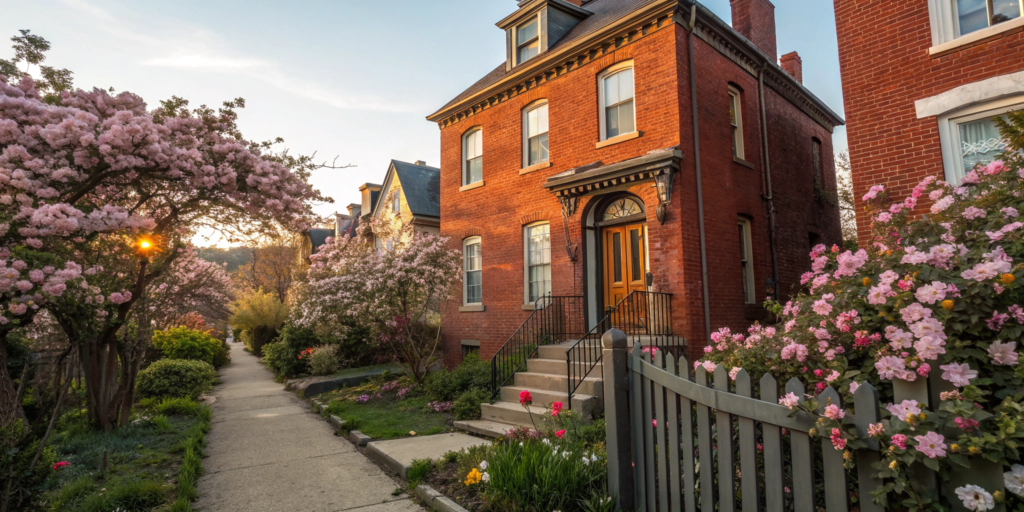
So, you’re thinking about buying a townhouse. You probably have a lot of questions running through your mind. How much are the HOA fees, and what do they really cover? What happens if the community needs a major repair? How noisy will the neighbors be through that shared wall? And is it a good long-term investment? Getting clear, straightforward answers to these questions is the key to making a confident decision. We’ve created a comprehensive guide that addresses all these concerns and more, giving you a complete checklist of what to know before buying a townhouse before you even think about making an offer.
Key Takeaways
- Understand the HOA Inside and Out: Your Homeowners Association dictates a huge part of townhouse living. Before you commit, review its financial health, read all the rules to ensure they fit your lifestyle, and get a clear breakdown of what the monthly fees cover.
- Calculate the True Cost of Ownership: Your monthly payment is more than just your mortgage. Create a realistic budget that includes regular HOA dues, the right “walls-in” insurance policy, and a personal savings fund for interior maintenance and potential special assessments.
- Think Like a Long-Term Investor: A great townhouse is in a community with strong growth potential. Research recent sales, get a professional inspection to avoid costly surprises, and evaluate the neighborhood’s development plans to ensure your property will appreciate over time.
What Exactly Is a Townhouse?
If you’re exploring your housing options, you’ve likely come across townhouses. So, what are they, really? A townhouse is a single-family home that shares one or more walls with a neighboring unit. Picture a row of houses connected side-by-side, each with its own front door facing the street. They are almost always multi-level, giving you the feel of a traditional house with stairs and distinct living spaces on different floors. This shared wall, sometimes called a “party wall,” is a key feature that distinguishes them from standalone homes. This design is especially common in urban and suburban areas where land is more limited, allowing for higher-density living without sacrificing the sense of having your own home.
This setup offers a unique blend of private ownership and community living. You get the autonomy of your own entrance and often a small private outdoor space—like a patio or a tiny yard—but you’re also part of a larger, connected community, which frequently includes shared amenities managed by a homeowners’ association (HOA). For many people, this is the perfect middle ground between a sprawling single-family house and a compact condo apartment. If you’re curious to see what’s available, you can start a property search to get a feel for the different styles and layouts in your desired areas. Understanding the fundamental structure of a townhouse is the first step in figuring out if this popular housing style is the right fit for you.
How It Compares to a Single-Family Home
When you picture a single-family home, you probably imagine a detached house with its own yard on all sides. A townhouse differs mainly in that it’s attached to other homes. While this means you won’t have a large, private yard, it often comes with benefits like a lower purchase price and less exterior maintenance. Townhouses have become an incredibly popular choice for homebuyers, “coming in second only to single-family homes in 2023.” They truly are a mix between a detached house and a condo, offering many of the perks of homeownership without the full responsibility of maintaining a large, separate property. This makes them a fantastic option for first-time buyers or anyone looking to downsize.
The Difference Between a Townhouse and a Condo
This is one of the most common points of confusion for buyers, and the main difference comes down to ownership. With a condominium, you typically only own the interior space of your unit—from the walls in. The exterior of the building and all common areas are owned collectively by the homeowners’ association (HOA). In contrast, “unlike condos, townhouse owners typically own the inside of the home and the land it sits on, including any small yard.” This means you have more control over your property’s exterior and your own patch of land, however small it may be. This distinction is crucial because it affects everything from your maintenance duties to your insurance policy.
Townhouse vs. Duplex: What’s the Distinction?
While both are forms of attached housing, a townhouse and a duplex have different structures. A duplex is a single building that is divided into two separate homes, either side-by-side or on different floors. You only share a wall, ceiling, or floor with one other household. Townhouses, on the other hand, are typically built in longer rows. As Integrity Home explains, “duplexes are typically two separate living units within one building, while townhouses are often part of a row of homes that share walls with neighbors.” This means in a townhouse, you could have neighbors on both sides, creating a different community dynamic than you would find in a duplex.
The Pros and Cons of Townhouse Living
Townhouse living offers a unique blend of homeownership and community convenience, but it’s not the right fit for everyone. Like any major decision, it comes with its own set of benefits and drawbacks. Understanding both sides of the coin will help you decide if this lifestyle matches what you’re looking for in a home. Let’s walk through what you can expect.
The Upsides: What You’ll Love
One of the biggest draws of a townhouse is affordability. They often provide a more accessible path to homeownership than a detached single-family house, allowing you to start building equity without the hefty price tag. Another major perk is the low-maintenance lifestyle. Because a homeowners association (HOA) typically handles exterior upkeep like landscaping, snow removal, and roof repairs, you can spend your weekends enjoying your home instead of working on it. Many townhouse communities also offer fantastic shared amenities. It’s common to find pools, fitness centers, playgrounds, and walking trails just steps from your front door, giving you a country club feel without the exclusive cost.
The Downsides: What to Watch For
While the hands-off maintenance is great, it comes at a cost—literally. You’ll have monthly HOA fees, which can be significant and are subject to increases over time. HOAs also come with rules that can dictate everything from your front door color to where you can park. It’s also important to budget for hidden costs beyond your mortgage. The HOA may levy a “special assessment” if a major, unexpected repair is needed, meaning all residents have to chip in. When you’re ready to start your search, be sure to factor these potential expenses into your overall budget to avoid any surprises down the road.
A Closer Look at Privacy and Noise
The defining feature of a townhouse is the shared wall, which means you’ll be living in close proximity to your neighbors. This can be a concern if you’re sensitive to noise. Before you make an offer, try to visit the property at different times of the day to get a feel for the sound levels. Don’t be shy about asking current residents about their experience with noise traveling through the walls. While you own your unit, the lack of a private, sprawling yard can also be a trade-off for some. For many, the sense of community is a huge plus, but it’s something to consider if you value total seclusion.
Everything You Need to Know About HOAs
If you’re looking at townhouses, you’ll almost certainly encounter a Homeowners Association, or HOA. Think of an HOA as the governing body of your community. It’s a non-profit organization run by a board of directors—usually elected residents—that creates and enforces rules for the properties within its jurisdiction. Their main job is to manage the shared spaces and maintain a consistent standard for the neighborhood, which helps protect property values for everyone.
While the idea of rules and extra fees might sound like a drawback, a well-run HOA can be a huge asset. They handle things you’d otherwise have to manage yourself, like landscaping, snow removal, and maintaining amenities like a community pool or fitness center. Before you fall in love with a townhouse, it’s essential to understand the specific HOA you’d be joining. You’re not just buying a home; you’re becoming part of a community with its own set of financial obligations and lifestyle rules. Doing your homework on the HOA is just as important as getting a home inspection.
Breaking Down HOA Fees and What They Cover
One of the first things to look at is the HOA fee. This is a regular payment, usually monthly or quarterly, that every homeowner in the community contributes. It’s crucial to find out the exact amount, how often it’s due, and precisely what it covers. These fees typically pay for the upkeep of common areas like parks and clubhouses, landscaping services, trash removal, and sometimes even exterior maintenance for your home, such as roof repairs or painting.
Remember, this fee is separate from your mortgage payment, so you need to factor it into your monthly budget. Don’t be afraid to ask for a detailed breakdown of where the money goes. A transparent HOA will have no problem sharing this information. Understanding these costs upfront helps you avoid surprises and ensures you can comfortably afford your new home.
Common HOA Rules and Restrictions
Beyond the fees, every HOA has a set of rules known as Covenants, Conditions, and Restrictions (CC&Rs). These rules are designed to maintain the neighborhood’s aesthetic and ensure a peaceful living environment for all residents. They can cover a surprisingly wide range of things, from the color you’re allowed to paint your front door to what kind of pets you can own and where you can park your car.
While some rules might feel restrictive, they also prevent common neighbor disputes and keep the community looking its best. For example, rules about noise levels or property upkeep can be a huge plus. Before you buy, you must get a copy of the CC&Rs and read them carefully. Make sure you’re comfortable living with these guidelines, as they are legally binding once you become a homeowner in that community.
How to Check an HOA’s Financial Health
A well-managed HOA is a financially healthy one. Before you commit, you need to investigate the association’s finances to protect yourself from future problems, like sudden fee hikes or large, unexpected bills called special assessments. Ask for the HOA’s financial documents, including the annual budget and the reserve study. The reserve fund is essentially the HOA’s savings account for major, long-term repairs, like replacing the roof on the community clubhouse or repaving the streets.
A healthy reserve fund should be at least 70% funded. If you see that the reserves are below 55%, especially in an older community, consider it a major red flag. It could mean the HOA has been mismanaged, and you and your neighbors will have to foot the bill for future repairs. An experienced real estate agent can help you request these documents and understand what you’re looking at.
Budgeting for a Townhouse: Beyond the Sticker Price
When you’re looking at townhouses, it’s easy to focus on the sale price. But the true cost of ownership goes far beyond your mortgage payment. To create a realistic budget, you need to account for monthly homeowners association (HOA) dues, the right kind of insurance, and your personal maintenance responsibilities. These factors significantly impact your monthly expenses, so it’s important to get a clear picture of the total financial commitment before you make an offer. Thinking through these details now will help you find a home that fits your lifestyle and your wallet.
Monthly HOA Fees and Special Assessments
Nearly every townhouse community has a homeowners association, and with it comes monthly HOA fees. These fees are your contribution to the upkeep of all shared spaces and services like landscaping, snow removal, and amenities. You need to know exactly what you’ll pay, how often, and what those fees cover, as they sometimes include major exterior repairs. It’s also critical to ask about special assessments—one-time fees for large, unexpected projects. Before you buy, your agent can help you review the HOA’s financial documents to ensure the association is well-managed and has a healthy reserve fund.
Getting the Right Insurance Coverage
Insuring a townhouse is different from insuring a single-family home. The community’s HOA has a master policy that covers common areas and often the building’s exterior structure. However, this policy won’t cover your personal belongings or the interior of your unit. You’ll need your own policy, often called an HO-6 or “walls-in” policy, to protect everything from the drywall inward. Ask for a copy of the HOA’s insurance to see exactly what it covers. This allows you to work with an agent to purchase a policy that fills in the gaps, ensuring you’re not underinsured.
Your Tax and Maintenance Responsibilities
As a townhouse owner, you typically own the interior of your home and the land it sits on, which means you’re responsible for property taxes. While the HOA handles much of the exterior upkeep, you’re on the hook for everything inside your home—appliances, plumbing, electrical systems, and any cosmetic updates. That’s why getting a thorough home inspection is non-negotiable. It can uncover hidden problems that could cost you a lot of money later. It’s wise to set aside a personal budget for these inevitable repairs and replacements.
Key Questions to Ask Before You Buy
Once you’ve found a townhouse that feels like it could be “the one,” it’s time to shift from dreaming to investigating. Asking the right questions before you make an offer is one of the most important things you can do to protect your investment and ensure you’ll be happy in your new home long-term. Think of this as your information-gathering phase—a chance to look past the fresh paint and staged furniture to understand the reality of the property, the community, and the financials. Getting clear answers now prevents unwelcome surprises later. This is where a great real estate agent can guide you, ensuring you know exactly what to ask and how to interpret the answers you receive.
What to Ask the HOA Representative
Living in a townhouse community almost always means you’ll be part of a Homeowners Association (HOA). Before you commit, you need a crystal-clear picture of what that entails. Start by asking for a complete breakdown of the HOA fees—what are they, what do they cover, and how often have they increased? Some HOAs handle everything from landscaping and trash removal to roof repairs and exterior maintenance, while others cover far less. You should also request a copy of the HOA’s financial documents to check for a healthy reserve fund. A well-funded HOA can cover unexpected major repairs without hitting homeowners with a hefty special assessment. Finally, be sure to review the rules and regulations to make sure they fit your lifestyle.
Questions About the Property’s Condition
Every home, new or old, should undergo a professional inspection, and townhouses are no exception. An inspector can identify underlying issues with the structure, plumbing, and electrical systems that you might not see. Beyond the standard inspection, pay special attention to the elements unique to townhouse living. The most significant one? Shared walls. Ask about soundproofing and, if possible, try to visit the home at different times of day to gauge noise levels from neighbors. Don’t hesitate to ask the seller about the age of major components like the HVAC system, water heater, and appliances. Knowing when these items might need replacing can help you budget for future expenses and avoid getting caught off guard.
Thinking Ahead: Questions About the Neighborhood and Resale Value
Your home extends beyond its four walls. The surrounding neighborhood plays a huge role in your daily life and the property’s long-term value. Spend time exploring the local communities to get a feel for the atmosphere, amenities, and convenience. How close are grocery stores, parks, and schools? What is the traffic like during your typical commute? It’s also smart to inquire about any planned developments in the area, as new construction can impact property values and quality of life. Finally, it never hurts to ask why the current owner is selling. Their reason for leaving could offer valuable insight into the property or neighborhood that you wouldn’t discover otherwise.
Is a Townhouse a Good Long-Term Investment?
A townhouse can be an excellent long-term investment, often serving as a smart entry point into the real estate market. Because they are typically more affordable than single-family homes, they allow you to start building equity sooner. But like any major purchase, its value as an investment depends heavily on your research and due diligence. A great deal isn’t just about the price you pay today; it’s about the home’s potential for appreciation tomorrow.
To determine if a specific townhouse is the right financial move for you, you need to look beyond the front door and analyze the property, the market, and the neighborhood’s future. By focusing on a few key areas, you can feel confident that you’re not just buying a home, but making a sound investment that will grow with you over time.
Research the Market and Recent Sales
Before you get too attached to a property, it’s time to do some homework on the local market. Start by looking at recent sales of similar townhouses in the area, often called “comparables” or “comps.” This will give you a solid baseline for what the property is actually worth and help you make a competitive offer. Beyond just the price, you should also research the neighborhood itself. Look into factors like school ratings, crime rates, and access to public transportation and amenities. A strong community with good infrastructure is more likely to see property values increase over time. You can explore different communities to see which one best fits your lifestyle and investment goals.
Why You Need a Professional Inspection
Never skip the home inspection. It might feel like just another expense, but it’s one of the most important steps in protecting your investment. A professional inspector is trained to see things you can’t, and their job is to find any hidden problems before you buy. They’ll check the home’s structure, electrical systems, plumbing, and HVAC, as well as shared elements like the roof and foundation. Uncovering a major issue during the inspection gives you the power to negotiate with the seller for repairs or a lower price. It’s a small investment that can save you thousands of dollars and a lot of headaches down the road.
Evaluate the Neighborhood’s Growth Potential
A key part of a good long-term investment is a neighborhood on the rise. Since townhouses are often more affordable, they can be a great way to get into an up-and-coming area before prices get too high. Look for signs of growth and development. Are new businesses, restaurants, or parks opening nearby? Are there plans for public transit improvements or community revitalization projects? These are all positive indicators that the neighborhood is growing, which can directly translate to an increase in your property’s value over the years. Buying in an area with strong growth potential ensures your investment works harder for you.
Financing Your Townhouse Purchase
Securing the right financing is a critical step in your homebuying journey, and townhouses have a few unique financial details to consider. From getting pre-approved to understanding the long-term costs of shared ownership, having a clear financial plan will make the entire process smoother and help you buy with confidence.
Your Loan Options and Requirements
Before you start seriously looking at properties, your first move should be to get pre-approved for a mortgage. This is non-negotiable. Getting pre-approved shows sellers you’re serious and can actually afford the home. It also helps you figure out your true budget, which is crucial because you’ll need to account for monthly HOA fees on top of your mortgage payment. Most conventional and FHA loans are available for townhouses, but lenders will often want to review the financial health of the HOA itself before approving the loan. A great real estate expert can connect you with lenders who are experienced with townhouse properties.
Planning for Your Down Payment and Insurance
Once you know your budget, you can start planning for your down payment and closing costs. But when it comes to townhouses, insurance is a key piece of the puzzle that works a bit differently. The HOA will have a “master policy” for the community, but you need to ask exactly what the HOA’s insurance covers and what you need to insure yourself. You will likely need your own policy (often called an HO-6 or “walls-in” policy) to cover your personal belongings and the interior structure of your home. Be sure to check if your policy covers things like flood or earthquake damage, especially if your area is at risk.
What Shared Ownership Means for Your Finances
When you buy a townhouse, you’re also buying into a community, and that comes with shared financial responsibilities—namely, HOA fees. These fees are a big deal, and you need to know exactly what you’ll pay, how often, and what those fees cover. They typically pay for things like landscaping, trash removal, shared spaces, and sometimes even outside repairs like roofs. It’s also smart to ask about the HOA’s reserve fund for future projects and whether they have a history of levying “special assessments,” which are extra one-time fees for major repairs. Understanding these costs is essential to grasping the full financial picture of the communities you’re considering.
Finding the Perfect Townhouse and Community
Once you’ve decided a townhouse is the right fit, the real fun begins: finding the one that feels like home. This is about more than just the floor plan; it’s about the community you’re joining. The right neighborhood and a well-managed community can make all the difference in your day-to-day happiness and the long-term value of your investment. Taking the time to explore your options thoroughly will help you find a place where you don’t just live, but thrive.
Partner with a Real Estate Expert
Buying a townhouse comes with its own unique set of rules and considerations, from HOA documents to shared wall agreements. This is where a great real estate agent becomes your most valuable asset. You’ll want to work with someone who truly understands the local townhouse market. An experienced agent can offer insights on specific communities, help you decipher complex HOA bylaws, and guide you through negotiations. Think of them as your dedicated partner, helping you find a home that perfectly matches your needs. The right team of experts will know exactly what questions to ask to protect your interests.
Research Neighborhoods and Local Amenities
Before you fall in love with a specific property, get to know the neighborhood. Your lifestyle doesn’t stop at your front door, so it’s important that the surrounding area fits your routine. Spend some time exploring the local communities you’re considering. How’s the traffic during your typical commute? Where’s the nearest grocery store or park? Check out factors like school ratings and walkability. Visiting at different times, like a weekday morning and a weekend afternoon, can give you a much clearer picture of what it’s really like to live there. This research ensures you’re not just buying a house, but a lifestyle you’ll enjoy for years.
Look at Community Features and Future Plans
Townhouse living often comes with perks like pools, fitness centers, or shared green spaces. As you tour different communities, consider which amenities you’ll actually use and whether they justify the HOA fees. Speaking of the HOA, it’s crucial to look into its financial health. Ask if they have a reserve fund set aside for major future repairs, like replacing the roof or repaving the roads. A well-funded reserve can prevent you from being hit with a large, unexpected special assessment down the line. This is a key step in making a smart home purchase and ensuring the community is well-maintained for the long haul.
Related Articles
- Condominiums For Sale: A First-Time Buyer’s Guide
- Buying a Townhouse vs. a House: The Ultimate Guide
- For Sale Townhouses: A Complete Buyer’s Guide
- Downtown Condominiums for Sale: An Expert Guide
Frequently Asked Questions
What’s the most important thing to know about the difference between a townhouse and a condo? The biggest distinction comes down to what you actually own. With a townhouse, you typically own the structure of the home itself and the small parcel of land it sits on. For a condo, you generally only own the interior space—from the walls in. This difference is key because it impacts your responsibilities for maintenance, the type of insurance you need, and how much control you have over your property’s exterior.
Are the HOA rules really that strict? This is a common concern, and the answer is that it completely depends on the community. Some HOAs have very detailed rules about things like paint colors and holiday decorations, while others are more relaxed. The rules exist to maintain a consistent look and feel, which helps protect everyone’s property values. The most important step is to read the association’s governing documents before you make an offer to ensure you’re comfortable with the guidelines.
How can I tell if the HOA is financially healthy? A financially sound HOA is crucial for protecting your investment. Before you buy, you should ask for the HOA’s financial statements, including its annual budget and reserve study. The reserve study shows how much money is being saved for major future repairs, like replacing roofs or repaving streets. A well-funded reserve is the best sign that the community is managed responsibly and you won’t be hit with a huge, unexpected bill down the road.
Besides the mortgage and HOA fees, what other costs should I budget for? It’s smart to plan for a few other key expenses. You’ll be responsible for property taxes, just like any other homeowner. You will also need your own homeowner’s insurance policy, often called an HO-6 or “walls-in” policy, to cover your personal belongings and the interior of your unit. Finally, it’s wise to set aside your own savings for interior maintenance and repairs, since the HOA typically only handles the exterior and common areas.
Is it harder to get a mortgage for a townhouse? It’s not necessarily harder, but the process can have an extra step. In addition to approving you as a borrower, many lenders will also want to review the financial health and legal documents of the homeowners association. They want to see that the community is well-run and financially stable, as this protects their investment as well as yours. Working with a real estate agent who understands this process can make it much smoother.
